
















A green burial checklist helps families organize the key decisions involved in a natural burial, from choosing a cemetery and burial container to planning transportation, documentation, and a meaningful memorial. This guide walks through what to arrange before the burial so fewer details are left to manage during an emotional time.
Planning a funeral can involve many decisions, and choosing a natural burial adds some considerations that may not be part of a conventional funeral. A green burial generally focuses on reducing environmental impact by using practices such as biodegradable burial containers, natural materials, and burial settings that support conservation or natural landscapes.
A checklist makes the process easier because it turns a large number of decisions into manageable steps. It can also help families communicate their wishes before they are needed.
A useful green burial checklist should cover more than the burial container. Families may need to think about the cemetery, funeral provider, body preparation, transportation, required paperwork, graveside ceremony, memorial plans, and what happens afterward.
The exact requirements can vary by state, cemetery, and local regulations. Before making final arrangements, confirm the cemetery’s policies and applicable legal requirements.
Green Burial Checklist: Start With Your Burial Preferences
Before contacting providers, write down what you want the burial to look like. This gives your family and funeral professionals a clear starting point.
Consider these questions:
- Do you want a natural or conservation-focused burial?
- Would you prefer a cemetery specifically dedicated to green burial?
- Do you want embalming avoided?
- Would you prefer a biodegradable casket, shroud, or another approved burial container?
- Do you want a graveside ceremony?
- Would you like family members to participate in the burial?
- Do you want a natural marker, such as a fieldstone or native plant?
- Would you prefer donations or conservation support instead of traditional funeral flowers?
Your preferences do not necessarily need to be complicated. The goal is to create a clear plan that reflects your environmental values and personal wishes.
This is also a good time to learn the difference between natural burial and other environmentally focused end-of-life options, because the terms are sometimes used interchangeably even though the practices and requirements can differ.
Choose a Green Burial Cemetery
One of the most important decisions is where the burial will take place.
Not every cemetery offers the same type of green burial. Some have designated natural burial sections, while others are established specifically around environmentally responsible burial practices.
When comparing cemeteries, ask:
- Does the cemetery allow green or natural burial?
- What burial containers are permitted?
- Are shrouds permitted?
- Is embalming prohibited or restricted?
- Are vaults or burial liners required?
- What types of grave markers are allowed?
- Are native plants permitted?
- How is the landscape maintained?
- Does the cemetery have conservation or ecological goals?
- What are the cemetery’s opening and closing fees?
- Are there additional requirements for burial preparation or transportation?
Ask for the cemetery’s written policies before purchasing a plot or making arrangements.
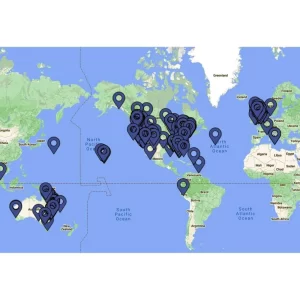
You can also research green burial cemeteries near you and compare their rules rather than assuming that every cemetery follows the same standards.
Decide How the Body Will Be Prepared
Body preparation is another important part of a natural burial plan.
Traditional funeral practices may involve embalming and other procedures that are not required for every burial. Green burial arrangements often emphasize simpler preparation and biodegradable materials.
Depending on the circumstances and local requirements, families may discuss options such as:
- Washing and dressing the body
- Refrigeration or other appropriate temporary preservation
- Avoiding conventional embalming
- Using biodegradable clothing
- Selecting natural burial garments
- Preparing the body according to cultural or family traditions
Some families may also want to participate in washing or dressing their loved one. Whether this is possible depends on the funeral provider, facility, family wishes, and applicable regulations.
Before making a decision, ask the funeral home or burial provider exactly what preparation is required and what alternatives are available.
Select a Biodegradable Casket or Shroud
A central part of a green burial is choosing an appropriate burial container.
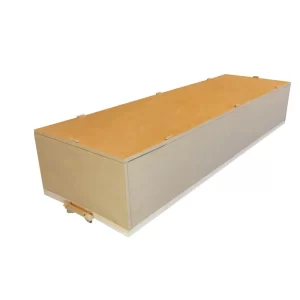
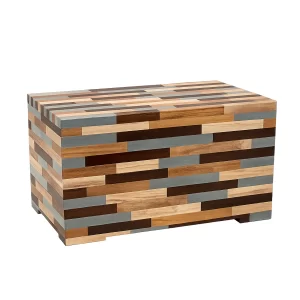
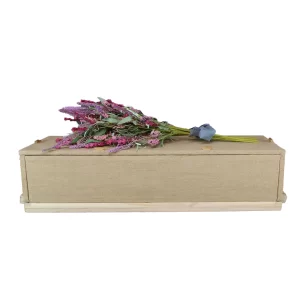
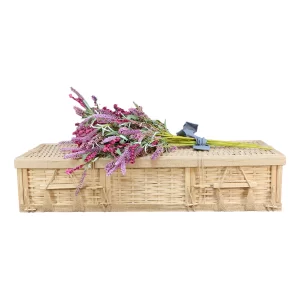
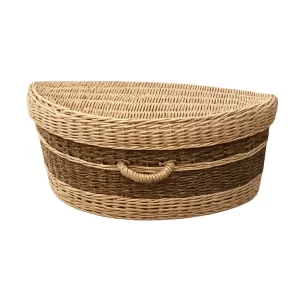
Depending on cemetery rules, options may include a biodegradable casket, simple wooden coffin, woven container, or burial shroud.
Materials commonly considered for natural burial containers include:
- Untreated or minimally treated wood
- Woven natural fibers
- Cardboard or other approved biodegradable materials
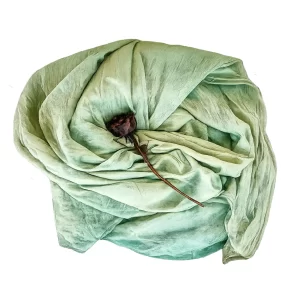
- Natural-fiber textiles used for shrouds
The right choice depends on the cemetery’s requirements. Some cemeteries have specific rules about materials, finishes, handles, liners, and construction.
If you are comparing biodegradable caskets or shrouds, ask whether the product is accepted by your chosen cemetery before purchasing it.
Also consider how the container will be transported and whether the funeral provider can accommodate it.
Plan Transportation
Transportation is easy to overlook when creating funeral arrangements.
A natural burial may require transportation from a place of death to a funeral home, preparation facility, cemetery, or another location. Families should determine who will provide transportation and whether the provider understands the requirements of a green burial.
Add these questions to your checklist:
- Who will transport the deceased?
- Is the vehicle appropriate for the selected burial container?
- Will transportation be needed between multiple locations?
- Are there local transportation requirements?
- Who will coordinate the timing with the cemetery?
Ask the funeral provider to explain transportation costs separately so you understand what is included in the overall arrangement.
Organize Legal and Funeral Documents
Paperwork is an important part of every burial plan.
The exact documents required depend on where the death occurs and local laws. A funeral director or other qualified professional can help explain the applicable requirements.
Your planning checklist may include:
- Identification documents
- Death certificate arrangements
- Burial or disposition authorization
- Cemetery plot or interment documentation
- Funeral home arrangements
- Veteran or military documentation, if applicable
- Insurance or pre-need funeral documentation
- Contact information for important family members
- Written funeral or burial wishes
Keep important documents somewhere that trusted family members can access when necessary.
It can also be helpful to identify the person who will be responsible for communicating with the cemetery and funeral provider.
Plan the Natural Burial Ceremony
A green burial does not have to mean a simple or impersonal goodbye.
Families can create meaningful ceremonies while maintaining natural burial principles.
Depending on the cemetery’s policies, you might include:
- A short graveside service
- Readings or poetry
- Music
- Personal stories
- Religious or spiritual traditions
- Family participation
- A moment of silence
- Native flowers or other approved natural elements
- A simple procession to the gravesite
Some families choose to help carry the casket or shrouded body to the grave. Others may participate by placing soil over the burial site.
Discuss these plans with the cemetery in advance. Certain activities may have specific requirements or restrictions.
Choose an Eco-Friendly Memorial
Memorialization does not have to depend on a traditional monument.
Depending on the cemetery, families may be able to choose natural or low-impact memorial options.
Possible choices include:
- Native plants
- Natural stones
- Small approved markers
- Memorial plaques where permitted
- A conservation donation
- A memorial tree where appropriate
- A digital memorial
- A family gathering at a meaningful location
Always confirm cemetery rules before ordering a marker or planting anything at the gravesite.
A meaningful memorial can focus on the person’s life rather than the size or permanence of the physical marker.
Review Costs and Funeral Services
Green burial does not automatically mean a particular price. Costs vary based on the cemetery, funeral provider, location, services selected, burial container, transportation, and other arrangements.
Request an itemized price list where available and compare what is included.
Your cost checklist should consider:
| Planning Item | Questions to Ask |
| Cemetery | What does the burial plot or interment fee include? |
| Funeral provider | Which services are included? |
| Body preparation | What preparation is required? |
| Burial container | Is the selected casket or shroud approved? |
| Transportation | Are transportation fees separate? |
| Ceremony | Are graveside or facility fees charged? |
| Memorial | Are markers or memorial services additional? |
| Documentation | Are administrative or filing fees included? |
Understanding the costs early can prevent unexpected decisions later.
Decide What You Want to Pre-Arrange
You do not necessarily need to finalize every detail at once.
However, pre-arranging the major decisions can significantly reduce uncertainty for family members.
Consider documenting:
- Preferred cemetery
- Burial location
- Preferred burial container
- Body preparation preferences
- Funeral provider
- Ceremony wishes
- Memorial preferences
- People who should be contacted
- Important documents
- Budget or funding arrangements
- Personal instructions
You may also want to learn about pre-planning a funeral and how arrangements can be documented according to your state’s requirements.
Keep a copy of your preferences with your important documents and tell trusted family members where the information is located.
Green Burial Checklist: Final Review
Before considering your plan complete, review the entire checklist with your family or chosen representative.
Green Burial Checklist
- Document natural burial preferences
- Research local green burial cemeteries
- Select a cemetery and confirm its requirements
- Choose a funeral home or qualified provider
- Discuss body preparation options
- Confirm embalming requirements or alternatives
- Select an approved biodegradable casket or shroud
- Arrange transportation
- Review required documentation
- Plan the burial ceremony
- Select an appropriate memorial
- Review all funeral and cemetery costs
- Document personal wishes
- Inform trusted family members
- Keep important paperwork accessible
- Review the plan periodically
This checklist can also be used when helping a parent, spouse, relative, or friend document their preferences.
What to Ask a Green Burial Provider
Before committing to a cemetery or funeral provider, prepare a short list of questions.
Ask the provider:
- What makes your burial option a green or natural burial?
- Which burial containers are permitted?
- Are shrouds allowed?
- Is embalming required?
- What preparation options are available?
- What environmental practices does the cemetery follow?
- What memorials are permitted?
- What fees are included in the quoted price?
- Which documents does the family need to provide?
- Who coordinates transportation and burial timing?
Getting answers in writing can make it easier to compare providers and avoid misunderstandings.
Make Your Natural Burial Wishes Easy to Follow
The most useful burial plan is one that another person can understand without having to guess what you wanted.
Write your preferences clearly, keep important information together, and make sure trusted family members know where to find it.
Remember that personal wishes, cemetery policies, and legal requirements are not always the same thing. A preference may need to be adjusted if it conflicts with applicable law or the rules of the selected cemetery.
A conversation with a funeral professional and cemetery representative can help you identify those issues before they become urgent.
Conclusion
A Green Burial Checklist gives families a practical way to organize the decisions involved in a natural burial. From choosing a cemetery and biodegradable burial container to planning body preparation, transportation, documentation, and memorialization, each decision can be addressed before it becomes stressful.
The goal is not simply to create an environmentally conscious funeral. It is to create a clear, respectful plan that reflects the person’s values while giving family members confidence about what to do when the time comes.
Start with the major decisions, confirm local requirements, document your wishes, and review the plan with the people who may eventually be responsible for carrying it out.
FAQs
What is a green burial checklist?
A green burial checklist is a planning tool that covers important decisions for a natural burial, including the cemetery, body preparation, burial container, transportation, documentation, ceremony, and memorial.
Is embalming required for a green burial?
Embalming requirements vary depending on the circumstances, location, and provider. Many natural burial arrangements avoid conventional embalming, but families should confirm applicable requirements with their provider.
What type of casket is used for green burial?
Green cemeteries may allow biodegradable caskets made from materials such as natural wood or woven fibers, as well as shrouds. Requirements vary by cemetery.
Can you have a funeral ceremony with a green burial?
Yes. Families can incorporate readings, music, religious traditions, storytelling, and other meaningful elements into a green burial ceremony, subject to cemetery policies.
How do I find a green burial cemetery?
Research natural and green burial cemeteries in your area and ask about their burial practices, container requirements, memorial policies, costs, and environmental standards.
Can I pre-plan a green burial?
Yes. You can document many preferences in advance, including your preferred cemetery, burial container, ceremony, memorial, and funeral provider. Legal and contractual arrangements should be confirmed with the appropriate local professionals.