








Natural organic reduction and green burial are both environmentally focused end-of-life options, but they use very different processes. This guide explains how each works, what happens to the body, key environmental considerations, and how families can compare the two.
When families explore environmentally conscious funeral options, two terms often appear together: Natural Organic Reduction and green burial. Both approaches can reduce reliance on some conventional funeral practices, but they are not the same type of disposition.
Natural organic reduction, often called human composting, uses a controlled process to transform human remains into a soil-like material. Green burial, by contrast, places the body in the ground using practices designed to allow natural decomposition within a burial environment.
Understanding the difference matters because the choice affects everything from the location of disposition to the type of container used, the ceremony families can plan, and what happens to the remains afterward.
The availability and legal status of these options also vary by jurisdiction. Anyone considering either option should confirm current requirements with a qualified funeral professional and the relevant provider.
What Is Natural Organic Reduction?
Natural Organic Reduction (NOR) is a form of human disposition in which a body is placed inside a controlled vessel or chamber with organic materials. Environmental conditions are managed to support natural biological decomposition.
The process generally uses a combination of organic material, microorganisms, moisture, oxygen, and controlled environmental conditions. Over time, the organic matter breaks down and produces a soil-like material.
The process is sometimes referred to as human composting, although providers and regulators may use different terminology.
After processing, the resulting material is handled according to applicable regulations and provider procedures. In some jurisdictions and arrangements, families may be able to receive a portion of the resulting material for memorial or ecological purposes.
Because laws differ substantially, families should not assume that NOR is available everywhere or that the resulting material can be used in any particular way.
What is Green Burial?
Green burial is a method of burial that emphasizes natural decomposition and reduced environmental impact.
Instead of relying on some conventional burial practices, a green burial may use:
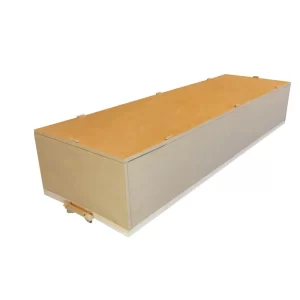
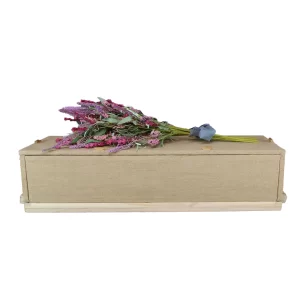
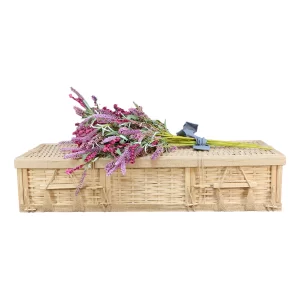
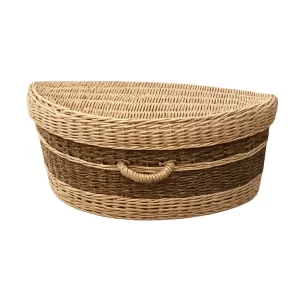
- Biodegradable casket or coffin
- Natural-fiber burial shroud
- Minimal or no conventional embalming, depending on circumstances
- A gravesite designed for natural decomposition
- Natural or environmentally appropriate grave markers
- Landscape management that supports the cemetery’s ecological goals
The body remains in the ground and decomposes naturally within the burial environment.
Green burial can take place in dedicated natural burial grounds, conservation burial grounds, or designated sections of cemeteries that permit green burial.
Because cemetery standards differ, families should always ask exactly what practices and materials are permitted.
Natural Organic Reduction vs. Green Burial: Key Differences
The simplest distinction is what happens to the body.
With natural organic reduction, the body undergoes controlled decomposition in a specialized facility. With green burial, the body is placed directly in the earth at a cemetery or natural burial ground.
| Feature | Natural Organic Reduction | Green Burial |
| Basic process | Controlled natural decomposition | Natural decomposition in the ground |
| Common term | Human composting | Natural burial |
| Location | Specialized facility | Cemetery or natural burial ground |
| Body remains | Transformed into soil-like material | Remains decompose at the gravesite |
| Burial plot | Not necessarily required | Generally required |
| Container | Provider-specific vessel and materials | Biodegradable casket, coffin, or shroud |
| Memorial site | May or may not be a gravesite | Usually associated with the burial location |
| Legal availability | Depends on jurisdiction | More broadly available but rules vary |
| Family participation | Depends on provider | Often possible depending on cemetery policies |
The two options can therefore support similar environmental values while providing very different experiences for families.
How Natural Organic Reduction Works
Although procedures vary among providers, NOR generally follows a controlled biological process.
1. Preparation
The provider prepares the body according to its procedures and applicable requirements. Families may be able to select certain options for identification, ceremonies, or personal items, subject to provider rules.
2. Placement in the Vessel
The body is placed inside a specialized vessel surrounded by organic materials. These materials provide the conditions needed for biological decomposition.
3. Controlled Decomposition
The provider manages the environment to support microbial activity and decomposition. Temperature, moisture, oxygen, and other conditions can be monitored during the process.
4. Processing and Recovery
Once the biological process is complete, the resulting material undergoes additional processing according to the provider’s procedures and applicable requirements.
The final material is not simply household compost. It is the product of a regulated human disposition process where permitted.
How Green Burial Works
Green burial follows a different path.
After the body is prepared according to the family’s wishes and applicable requirements, it is transported to the selected burial site.
The body may be placed in a biodegradable casket, coffin, or shroud. The burial site is then closed according to cemetery procedures.
The natural decomposition process continues underground.
Some green burial grounds emphasize native vegetation, limited landscaping, natural grave markers, and ecological stewardship. Conservation-focused burial grounds may incorporate burial into broader conservation objectives.
The exact practices depend on the cemetery and its operating standards.
Environmental Considerations
Both options are often considered by people looking for alternatives to conventional funeral practices, but their environmental impacts should not be assumed to be identical.
Green burial can reduce the use of certain conventional burial materials and may allow the body to return directly to the surrounding ecosystem through natural decomposition.
Natural organic reduction uses a controlled facility and specialized infrastructure. Its environmental profile therefore depends partly on how the facility operates, including its energy use, transportation requirements, materials, and handling practices.
The environmental benefits of either option should be evaluated based on the actual practices of the provider rather than marketing terminology alone.
When comparing providers, ask:
- What materials are used?
- How much energy does the process require?
- How is the facility powered?
- How far must the body be transported?
- What happens to the resulting material?
- Does the burial site support ecological restoration?
- What products or chemicals are involved?
- What certifications or standards does the provider follow?
This type of comparison can provide a more meaningful picture than simply labeling one option “green.”
Which Option Requires a Cemetery?
One of the most significant practical differences is the role of a cemetery.
Green burial generally involves purchasing or arranging a burial location. The cemetery becomes part of the memorial experience and provides a physical place where family members can visit.
Natural organic reduction does not require a traditional burial plot for the body because the disposition takes place at a specialized facility.
However, families may still choose to create a memorial elsewhere. Depending on local rules and provider policies, the resulting material may have options for final disposition or ecological use.
For someone who strongly values having a permanent gravesite, green burial may provide a more traditional connection to a physical place.
What Happens to the Remains?
This is another major difference.
With green burial, the body remains at the burial site and naturally decomposes over time. The gravesite becomes part of the person’s physical memorial.
With natural organic reduction, the body is transformed through the controlled decomposition process into a soil-like material. What happens afterward depends on applicable law, provider procedures, and the family’s selected arrangements.
Families should ask the provider exactly how the material is handled and what choices are available.
This question is especially important if the family wants to participate in a memorial planting or another ecological memorial activity.
Natural Organic Reduction vs. Green Burial for Families
The emotional experience can be very different.
Green burial may allow family members to visit a gravesite, participate in a graveside ceremony, carry the casket or shroud, or help with other aspects of the burial when permitted.
The physical burial location can become a long-term place of remembrance.
Natural organic reduction offers a different experience. Families may have opportunities to participate in a ceremony before or during the process, but the disposition itself takes place at a specialized facility rather than at a gravesite.
For some families, the transformation of the body into soil-like material may have strong ecological meaning. Others may find greater comfort in having a physical burial location.
Neither approach is inherently more meaningful. The right choice depends on the person’s wishes and the family’s values.
What About Cost?
There is no universal answer to whether natural organic reduction or green burial costs less.
Pricing can vary based on:
- Provider fees
- Cemetery costs
- Burial plot fees
- Transportation
- Body preparation
- Burial container
- Ceremony arrangements
- Memorial products
- Location
- Required documentation
Green burial may involve cemetery and interment costs that are not part of a NOR arrangement.
On the other hand, NOR involves specialized facilities and processing, which can create different costs.
Families should request itemized pricing from providers rather than assuming that an environmentally focused option is automatically cheaper.
A useful green burial cost comparison should consider the entire arrangement rather than looking only at the disposition fee.
Legal Availability Matters
The legal landscape is particularly important when comparing these options.
Green burial is permitted in many locations, but cemetery rules, state or local requirements, and accepted burial practices vary.
Natural organic reduction has been authorized in some jurisdictions but remains unavailable or restricted in others. Laws and regulations can also change over time.
If you are considering NOR, ask the provider:
- Is natural organic reduction legally available where the death will occur?
- Where does the process take place?
- What licenses or regulatory approvals apply?
- What happens to the resulting material?
- Can family members receive or participate in the disposition material?
- Are there transportation restrictions?
Do not rely on information from another state or country when making arrangements. Confirm the current rules that apply to your specific circumstances.
How to Choose Between Natural Organic Reduction and Green Burial
There is no single best choice for every person.
Consider green burial if you:
- Want a permanent gravesite
- Prefer burial in a natural landscape
- Want family members to visit the burial location
- Like the idea of a biodegradable casket or shroud
- Want a traditional graveside ceremony with a natural approach
- Prefer the body to decompose directly in the earth
Consider Natural Organic Reduction if you:
- Prefer controlled natural decomposition
- Are comfortable with a facility-based process
- Like the idea of the body becoming soil-like material
- Do not necessarily want a traditional gravesite
- Want to explore ecological memorial options involving the resulting material
- Live somewhere where NOR is legally available
The decision can also be influenced by cultural traditions, religious beliefs, family expectations, location, accessibility, and cost.
Questions to Ask Before Making a Decision
A conversation with a provider can help clarify which option fits your priorities. Ask:
- Is the option legally available in my area?
- What exactly happens to the body?
- What preparation is required?
- What materials are used?
- What transportation is involved?
- What are the total costs?
- Can family members participate in a ceremony?
- What memorial options are available?
- What happens to the remains or resulting material?
- What documentation is required?
For green burial, also ask about the cemetery’s environmental practices and whether it permits your preferred casket, shroud, marker, or ceremony.
For NOR, ask about the provider’s process, facility, handling procedures, and options after completion.
Which is More Environmentally Friendly?
It is tempting to ask which option is “greener,” but the answer depends on the specific practices involved.
A green burial in a conservation-oriented cemetery may provide ecological benefits through land stewardship and natural burial. Natural organic reduction may avoid the need for a conventional burial plot and uses biological decomposition in a controlled environment.
Transportation, energy use, land management, materials, and facility operations can all influence the overall environmental footprint.
Rather than choosing based solely on a label, compare the complete process and ask providers for specific information about their environmental practices.
The most environmentally responsible choice is one that aligns with your values while also meeting legal, practical, and personal requirements.
Conclusion
Natural Organic Reduction and green burial offer two distinct approaches to environmentally conscious end-of-life care.
Natural organic reduction uses a controlled biological process to transform human remains into a soil-like material. Green burial places the body in the earth using biodegradable materials and practices designed to support natural decomposition.
The choice ultimately comes down to what matters most to the individual and family: having a gravesite, returning directly to the earth, creating an ecological memorial, participating in a burial ceremony, or choosing a particular type of disposition.
Before making arrangements, compare providers carefully, understand the legal requirements in your area, request complete pricing, and discuss your wishes with the people who may eventually carry them out.
FAQs
Is natural organic reduction the same as green burial?
No. Natural organic reduction uses a controlled decomposition process at a specialized facility, while green burial places the body in the ground for natural decomposition.
Is natural organic reduction legal everywhere?
No. The legal availability of natural organic reduction varies by jurisdiction. Always confirm current local requirements before making arrangements.
Does green burial use a casket?
A green burial may use a biodegradable casket, coffin, or shroud, depending on cemetery rules. Some cemeteries have specific requirements about permitted materials.
What happens to the body during natural organic reduction?
The body undergoes controlled biological decomposition in a specialized vessel with organic materials. The process eventually produces a soil-like material that is handled according to applicable regulations and provider procedures.
Which is cheaper, natural organic reduction or green burial?
Neither option is universally cheaper. Total costs depend on provider fees, transportation, cemetery expenses, containers, preparation, ceremonies, and other services.
Can families have a ceremony with either option?
Yes, although the type and location of the ceremony can differ. Green burial may include a graveside ceremony, while natural organic reduction providers may offer their own opportunities for family participation.