





Pre-planning a green funeral allows you to document your wishes, reduce stress for loved ones, and minimize environmental impact. Learn how to choose natural materials, eco-friendly burial options, and sustainable memorial practices.
Thinking about end-of-life arrangements is never easy, but pre-planning can provide peace of mind for both you and your family. For individuals who care about sustainability and environmental responsibility, planning a green funeral in advance ensures that personal values continue to guide final arrangements.
A green funeral focuses on minimizing environmental impact through natural materials, eco-friendly burial practices, and sustainable memorial choices. By making decisions ahead of time, you can clearly communicate your wishes, avoid unnecessary expenses, and help loved ones navigate a difficult time with confidence.
This guide explains how to pre-plan your green funeral using natural materials and environmentally conscious practices.
What is a Green Funeral?
A green funeral is an end-of-life arrangement designed to reduce environmental impact compared to conventional funeral practices.
Unlike traditional funerals that may involve embalming chemicals, metal caskets, concrete burial vaults, and resource-intensive processes, a green funeral emphasizes natural decomposition and sustainability.
Common elements include:
- Natural burial
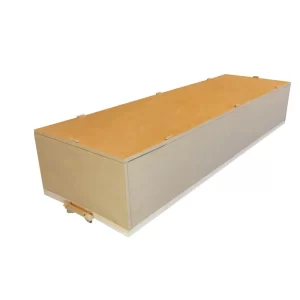
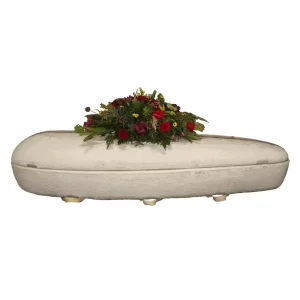
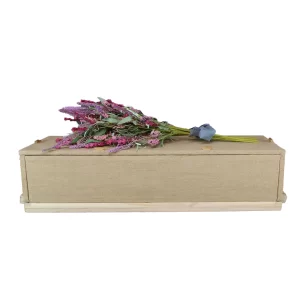
- Biodegradable caskets
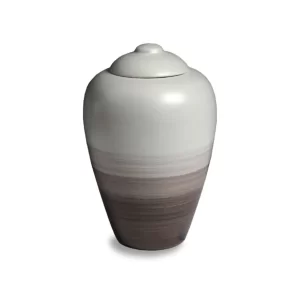
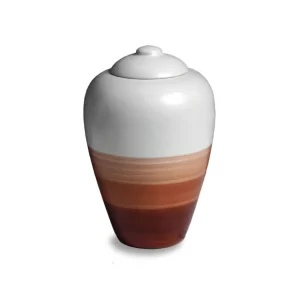
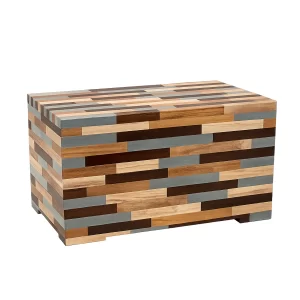
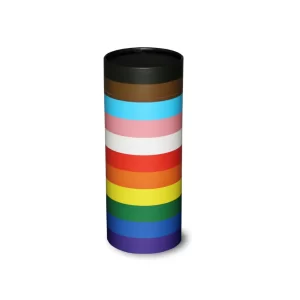
- Biodegradable urns
- Avoidance of embalming chemicals
- Sustainable memorial products
- Conservation-focused burial grounds
The goal is to return the body or ashes to nature as naturally as possible.
Why Pre-Plan a Green Funeral?
Pre-planning gives you control over your final arrangements while reducing uncertainty for family members.
Benefits include:
Ensuring Your Wishes Are Honored
Documenting your preferences increases the likelihood that your environmental values will be respected.
Reducing Family Stress
Loved ones won’t have to make difficult decisions during an emotional time.
Avoiding Unnecessary Expenses
Advance planning allows you to compare options and make informed financial decisions.
Supporting Environmental Goals
You can ensure your funeral aligns with your commitment to sustainability and conservation.
Encouraging Meaningful Conversations
Discussing your wishes helps family members understand your values and intentions.
Understand the Different Green Burial Options
Before creating a plan, it’s important to understand available green funeral choices.
Natural Burial
A natural burial involves placing the body directly into the earth using biodegradable materials without embalming chemicals.
Natural burials typically use:
- Biodegradable burial shrouds
- Eco-friendly caskets
- Natural cemetery settings
Green Cremation
Some people choose cremation while incorporating sustainable memorial practices such as:
- Biodegradable urns
- Tree memorials
- Water memorials
Human Composting
Also known as natural organic reduction, this process transforms human remains into soil through a controlled natural decomposition process where legally available.
Conservation Burial
A conservation burial combines natural burial practices with land preservation efforts. Burial fees often help protect natural habitats and open spaces.
Choose Natural Materials for Burial
Natural materials are a core component of green funeral planning.
When evaluating products, prioritize materials that decompose naturally without harming the environment.
Common options include:
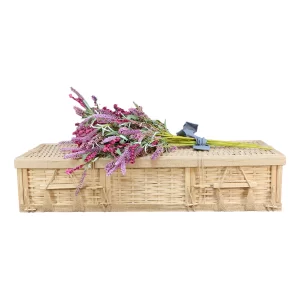
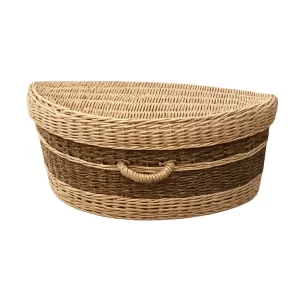
Biodegradable Caskets
Many eco-friendly caskets are made from:
- Bamboo
- Willow
- Seagrass
- Pine
- Cardboard
- Woven natural fibers
These materials naturally break down over time.
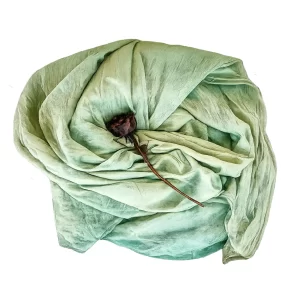
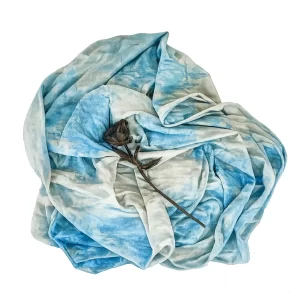
Burial Shrouds
A burial shroud is one of the simplest and most environmentally friendly options.
Popular materials include:
- Organic cotton
- Linen
- Hemp
- Wool
These fabrics allow natural decomposition while avoiding synthetic materials.
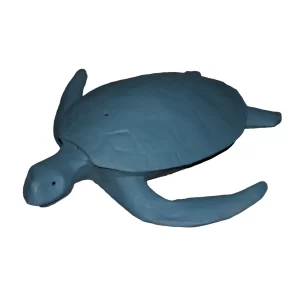
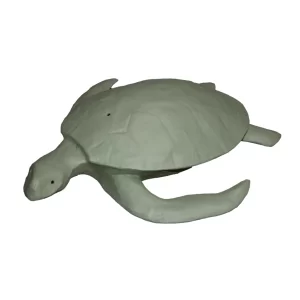
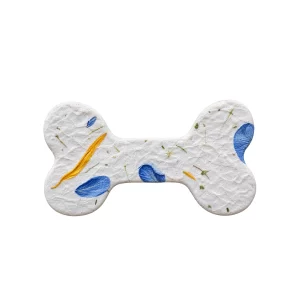
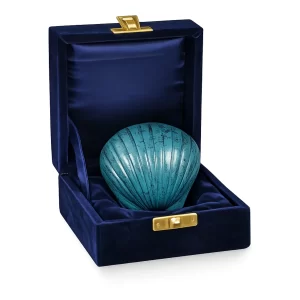
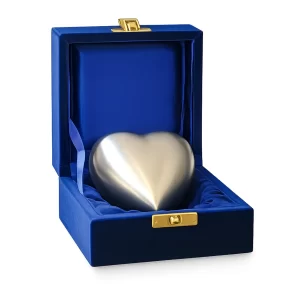
Biodegradable Urns
If cremation is part of your plan, consider:
- Water burial urns
- Tree memorial urns
- Paper urns
- Salt urns
These products support environmentally conscious memorialization.
Select an Eco-Friendly Cemetery
Not every cemetery accommodates green funeral practices.
Research facilities that support:
- Green burial
- Natural burial grounds
- Conservation burial programs
- Vault-free burials
When evaluating cemeteries, ask:
| Question | Why it Matters |
| Are vaults required? | Vaults increase environmental impact |
| Is embalming required? | Green funerals typically avoid embalming |
| Are biodegradable containers allowed? | Supports natural decomposition |
| Does the cemetery maintain natural landscapes? | Preserves environmental benefits |
Choosing the right location is one of the most important aspects of a green funeral plan.
Document Your Funeral Preferences
A written plan helps ensure your wishes are clearly communicated.
Include details such as:
- Preferred burial method
- Desired cemetery
- Type of biodegradable casket
- Choice of burial shroud
- Cremation preferences
- Memorial ceremony instructions
- Religious or cultural considerations
Keep copies in accessible locations and share them with trusted family members.
Consider Sustainable Memorial Options
Green funeral planning extends beyond burial arrangements.
Many families seek memorial options that reflect environmental values.
Popular choices include:
Tree Memorials
A tree memorial creates a living tribute that continues to grow over time.
Native Plant Gardens
Families may establish gardens using native plants to support local ecosystems.
Conservation Donations
Some people request donations to environmental organizations instead of traditional floral arrangements.
Natural Memorial Markers
Rather than polished stone monuments, some green cemeteries use:
- Native rocks
- GPS memorial records
- Modest natural markers
These approaches reduce resource consumption while preserving natural landscapes.
Discuss Your Plans With Family
Even the most detailed funeral plan is more effective when discussed openly.
Important topics include:
- Why you chose a green funeral
- Your environmental values
- Specific product preferences
- Burial or cremation instructions
- Budget considerations
These conversations help prevent confusion and ensure family members feel informed. While discussing end-of-life plans can be uncomfortable, it often provides reassurance and clarity.
Review Legal and Local Requirements
Funeral regulations vary by state, province, and country.
Before finalizing plans:
- Verify cemetery requirements.
- Confirm local burial regulations.
- Understand transportation requirements.
- Review documentation needed for burial or cremation.
If you’re considering human composting or conservation burial, confirm availability in your area. Working with funeral professionals experienced in green practices can simplify the process.
Estimate Costs in Advance
One common misconception is that all green funerals are significantly cheaper or more expensive than traditional funerals.
Actual costs depend on factors such as:
- Burial location
- Cemetery fees
- Transportation
- Memorial services
- Product selections
Potential expenses may include:
- Biodegradable casket
- Green burial cemetery fees
- Cremation services
- Memorial ceremony arrangements
- Documentation costs
Obtaining estimates early allows for better financial planning.
Create a Green Funeral Checklist
A simple checklist can help organize your plans.
Personal Preferences
- Burial or cremation choice
- Cemetery selection
- Memorial style
Natural Materials
- Burial shroud
- Biodegradable casket
- Biodegradable urn
Documentation
- Written instructions
- Contact information
- Legal documents
Family Communication
- Discuss wishes with loved ones
- Share copies of plans
Financial Planning
- Budget estimates
- Payment arrangements if desired
A checklist makes future updates easier and ensures important details are not overlooked.
Common Mistakes to Avoid
When pre-planning a green funeral, avoid these common mistakes:
Assuming All Cemeteries Offer Green Burials
Many traditional cemeteries still require vaults or have restrictions.
Failing to Document Wishes
Verbal instructions may be forgotten or misunderstood.
Overlooking Natural Material Requirements
Some burial grounds have specific standards for caskets, shrouds, or urns.
Waiting Too Long to Discuss Plans
Open conversations reduce confusion and family stress.
Ignoring Future Updates
Review your plan periodically as preferences and local options may change.
Final Thoughts on How to Pre-Plan Your Green Funeral Naturally
Learning how to pre-plan your green funeral with natural materials allows you to align your final arrangements with your environmental values while making things easier for loved ones.
By selecting natural burial options, choosing biodegradable caskets, using burial shrouds, considering biodegradable urns, and documenting your preferences, you can create a thoughtful and sustainable end-of-life plan.
A well-prepared green funeral plan provides clarity, reduces stress, and helps ensure that your legacy reflects a lifelong commitment to caring for the natural world.
FAQs
What is a green funeral?
A green funeral uses environmentally friendly practices and natural materials to reduce environmental impact.
Can I pre-plan a green funeral years in advance?
Yes. Many people document their wishes decades before they are needed.
What materials are used in green funerals?
Common materials include bamboo, willow, organic cotton, hemp, linen, and biodegradable paper products.
Do green funerals require embalming?
Most green funerals avoid embalming and use natural preservation methods when necessary.
Can cremation be part of a green funeral plan?
Yes. Many people combine cremation with biodegradable urns and eco-friendly memorial options.
Why should I document my green funeral wishes?
Written instructions help ensure your preferences are understood and followed by family members.