





An eco-friendly end-of-life plan helps reduce environmental impact while ensuring your final wishes are clearly documented. This guide explains how to create a sustainable plan that includes green burial, natural materials, and environmentally responsible memorial choices.
Planning for the future often involves creating a will, organizing finances, and communicating healthcare preferences. However, many people overlook another important aspect of preparation: creating an environmentally responsible end-of-life plan.
As awareness of sustainability grows, more individuals are seeking ways to ensure their final arrangements reflect the same environmental values they embraced throughout life. An eco-friendly end-of-life plan allows you to reduce your environmental footprint, support conservation efforts, and provide clear guidance to loved ones during a difficult time.
Whether you are considering green burial, natural burial, sustainable cremation memorials, or environmentally friendly funeral products, a well-documented plan can help ensure your wishes are honored.
What is an Eco-Friendly End-of-Life Plan?
An eco-friendly end-of-life plan is a written outline of your preferences for funeral arrangements, burial or cremation, memorialization, and related decisions that prioritize environmental responsibility.
The goal is to minimize the ecological impact associated with traditional funeral practices while providing loved ones with clear instructions.
A comprehensive plan may include:
- Preferred burial method
- Cemetery selection
- Funeral service preferences
- Sustainable memorial choices
- Financial planning
- Documentation of environmental values
By making these decisions in advance, you help reduce uncertainty and simplify the planning process for family members.
Why Create an Eco-Friendly End-of-Life Plan?
There are several reasons people choose to create environmentally conscious funeral plans.
Protect Your Environmental Values
An end-of-life plan helps ensure your sustainability goals continue to guide your final arrangements.
Reduce Stress for Loved Ones
Clear instructions eliminate much of the uncertainty families face after a death.
Encourage Sustainable Choices
Documented preferences can help family members select environmentally responsible options they may not otherwise consider.
Improve Financial Planning
Advance planning provides time to compare costs and understand available options.
Prevent Misunderstandings
Written instructions reduce the likelihood of disagreements regarding funeral arrangements.
Understand Your Green Burial Options
One of the first steps is deciding how you would like your body or remains handled.
Natural Burial
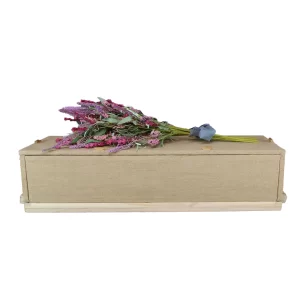
A natural burial allows the body to decompose naturally without embalming chemicals, concrete vaults, or non-biodegradable materials.
Natural burials commonly use:
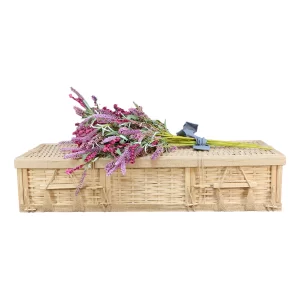
- Biodegradable caskets
- Burial shrouds
- Green cemeteries
- Conservation burial grounds
This option is often considered one of the most environmentally friendly forms of final disposition.
Green Burial
A green burial follows principles designed to minimize environmental impact while supporting natural decomposition.
Many people use the terms green burial and natural burial interchangeably, although specific practices may vary.
Cremation With Sustainable Memorialization
Individuals who choose cremation can still reduce environmental impact through:
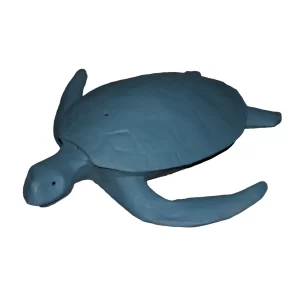
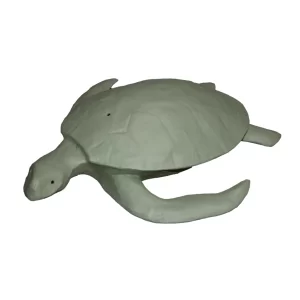
- Biodegradable urns
- Water memorials
- Tree memorials
- Natural scattering ceremonies
While cremation has environmental considerations, sustainable memorial products can help align the process with eco-conscious goals.
Human Composting
Also known as natural organic reduction, human composting transforms human remains into soil through controlled biological processes where legally available.
This option is increasingly attracting attention among environmentally conscious individuals.
Choose Sustainable Burial Materials
Traditional funeral products often include materials that persist in the environment for decades.
Eco-friendly alternatives prioritize natural decomposition.
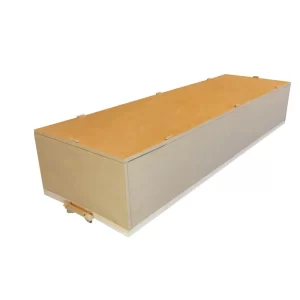
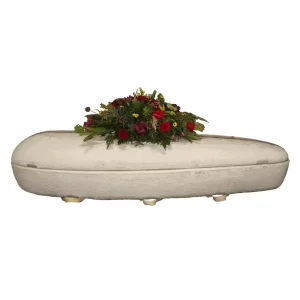
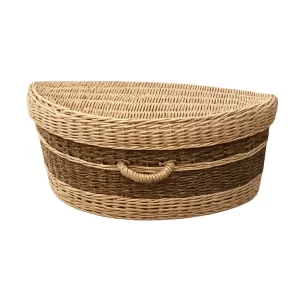
Biodegradable Caskets
Popular options include:
- Bamboo
- Willow
- Seagrass
- Pine
- Cardboard
- Natural woven fibers
These materials break down naturally over time.
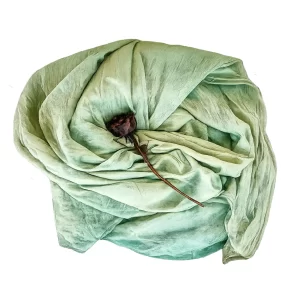
Burial Shrouds
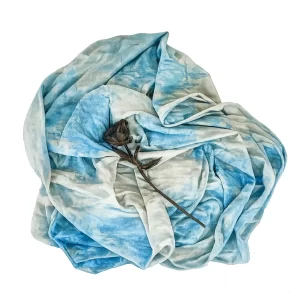
Many green burials use burial shrouds instead of caskets.
Common materials include:
- Organic cotton
- Hemp
- Linen
- Wool
Shrouds offer simplicity while supporting natural decomposition.
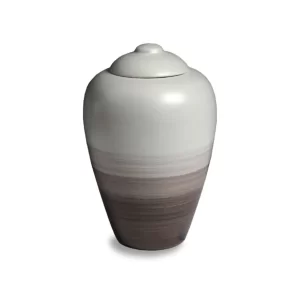
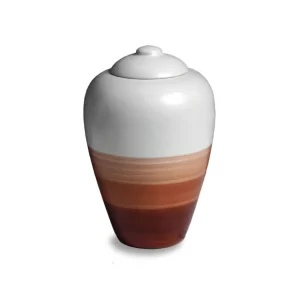
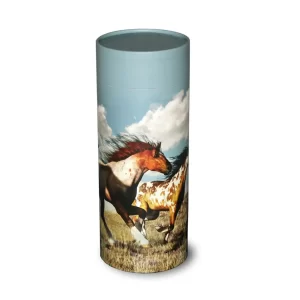
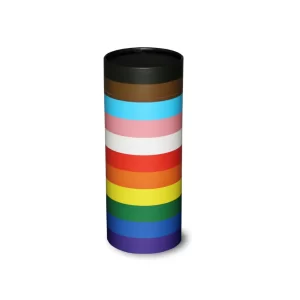
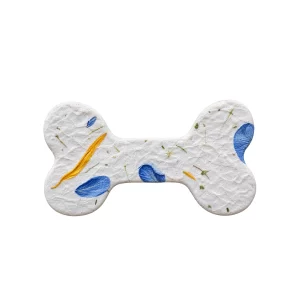
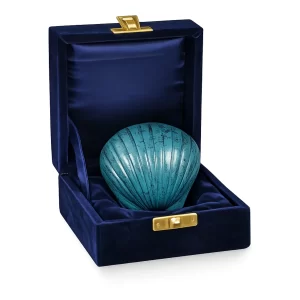
Biodegradable Urns
For cremated remains, environmentally friendly urns may be made from:
- Recycled paper
- Salt
- Sand
- Bamboo
- Plant-based materials
These urns are suitable for land burials, water memorials, and tree planting ceremonies.
Select an Appropriate Green Burial Cemetery
Your chosen cemetery plays a major role in determining the environmental impact of your arrangements.
Look for facilities that support:
- Green burial
- Natural burial grounds
- Conservation burial programs
- Vault-free burial practices
When researching options, ask:
| Question | Importance |
| Is embalming required? | Green burials typically avoid embalming |
| Are vaults required? | Vaults increase environmental impact |
| Are biodegradable containers accepted? | Supports natural decomposition |
| Does the cemetery preserve natural habitats? | Enhances environmental benefits |
Selecting a cemetery that shares your values helps ensure your plan is carried out as intended.
Plan an Eco-Friendly Funeral Service
Sustainability can extend beyond burial choices.
Consider environmentally responsible funeral practices such as:
Sustainable Floral Arrangements
Choose locally grown or seasonal flowers whenever possible.
Digital Memorial Invitations
Electronic invitations reduce paper waste.
Local Gatherings
Holding services close to home can reduce transportation-related emissions.
Reusable Decorations
Avoid single-use decorations and disposable materials.
Charitable Contributions
Some families request donations to environmental organizations instead of floral gifts.
These small decisions can collectively reduce the environmental impact of funeral services.
Consider Sustainable Memorial Options
Many traditional memorials require significant resources to produce and maintain.
Eco-friendly alternatives may better align with sustainability goals.
Tree Memorials
A tree memorial creates a living tribute that continues growing for generations.
Native Plant Gardens
Memorial gardens can support pollinators and local biodiversity.
Conservation Donations
Contributions to environmental preservation projects can create a meaningful legacy.
Natural Memorial Markers
Some green cemeteries use:
- Native stones
- GPS memorial records
- Minimal-impact markers
These options preserve the natural character of the landscape.
Document Your Wishes Clearly
Even the most thoughtful plan is ineffective if nobody knows about it.
Create a written document that includes:
Final Disposition Preferences
Specify whether you prefer:
- Green burial
- Natural burial
- Cremation
- Human composting where available
Product Preferences
Document your preferred:
- Biodegradable casket
- Burial shroud
- Biodegradable urn
Cemetery Selection
Identify preferred burial grounds or memorial locations.
Funeral Service Instructions
Include details regarding ceremonies, readings, music, or personal requests.
Key Contacts
List individuals who should be informed of your wishes.
Store the document in a secure but accessible location.
Discuss Your Plan With Family
One of the most important steps is communicating your wishes.
Conversations should cover:
- Environmental values
- Funeral preferences
- Budget expectations
- Burial or cremation choices
- Memorial ideas
Open discussions reduce confusion and help family members understand the reasoning behind your decisions.
Without these conversations, even documented plans may be overlooked.
Include Financial Planning
A complete end-of-life plan should address costs as well as preferences.
Potential expenses may include:
- Cemetery fees
- Funeral home services
- Transportation
- Biodegradable caskets
- Biodegradable urns
- Memorial services
Understanding costs in advance allows for better financial preparation and reduces unexpected burdens on loved ones.
Review and Update Your Plan Periodically
Environmental options continue to evolve.
New choices such as:
- Conservation burial programs
- Human composting services
- Innovative biodegradable products
- Expanded green cemetery networks
may become available over time.
Reviewing your plan every few years helps ensure it remains accurate and aligned with your current preferences.
Common Mistakes to Avoid
When creating an eco-friendly end-of-life plan, avoid these common errors.
Failing to Document Preferences
Verbal instructions alone may be forgotten.
Assuming Family Members Know Your Wishes
Even close relatives may not fully understand your preferences.
Ignoring Cemetery Requirements
Not all cemeteries permit green burial practices.
Focusing Only on Burial Choices
Sustainability can also influence funeral services and memorialization.
Never Updating the Plan
Preferences and available options may change over time.
Avoiding these mistakes can improve the effectiveness of your planning efforts.
Final Thoughts on How to Create an Eco-Friendly End-of-Life Plan
Learning how to create an eco-friendly end-of-life plan allows you to align your final arrangements with your environmental values while providing clear guidance to loved ones.
By choosing green burials, selecting biodegradable caskets, using burial shrouds, considering biodegradable urns, and documenting your wishes, you can reduce environmental impact and create a meaningful legacy.
An eco-friendly end-of-life plan is more than a set of instructions, it is an opportunity to ensure that your commitment to sustainability continues long after your lifetime.
FAQs
What is an eco-friendly end-of-life plan?
It is a documented plan that outlines environmentally responsible funeral, burial, cremation, and memorial preferences.
Is green burial the most eco-friendly option?
Many experts consider natural and green burials among the most environmentally friendly disposition methods available.
Can cremation be part of an eco-friendly plan?
Yes. Sustainable memorial products such as biodegradable urns can support eco-conscious cremation planning.
What materials are commonly used in green burials?
Biodegradable caskets, burial shrouds, bamboo, willow, hemp, linen, and natural fibers are common choices.
Why should I document my end-of-life wishes?
Written instructions help ensure your preferences are understood and followed.
How often should I update my plan?
Reviewing your plan every few years or after major life changes is generally recommended.