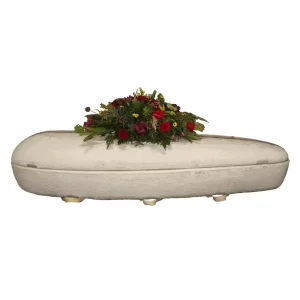
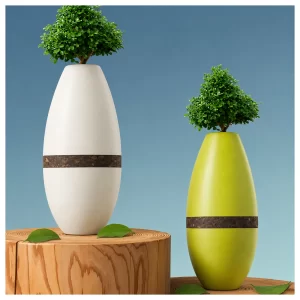
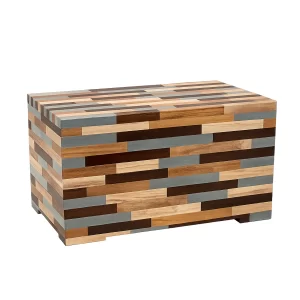
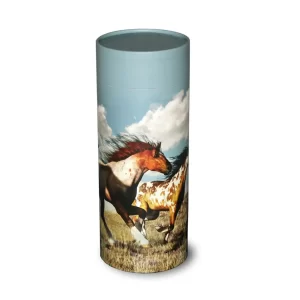




Mushroom caskets use fungal-based materials designed to support natural decomposition after burial. This guide explains how they interact with soil, what mycelium does, what environmental benefits they may offer, and what to consider before choosing one.
When people explore green burial options, they often encounter innovative products designed to work with natural decomposition rather than resist it. Mushroom caskets are one example. Instead of using conventional materials intended to remain intact for long periods, these caskets incorporate mycelium, the underground network associated with fungi, into their design.
The idea behind mushroom caskets is closely connected to the natural recycling of organic matter. Fungi play an important role in ecosystems by breaking down dead organic material and returning nutrients to the environment. A mushroom-based burial product is designed to work within that broader biological process.
However, it is important to distinguish between what fungi naturally do in soil and claims that a particular casket will “heal” contaminated soil. The environmental performance of any burial product depends on its materials, manufacturing process, burial setting, and local conditions.
Understanding how mushroom caskets actively heal the soil therefore requires looking atHow Mushroom Caskets Actively Heal the Soil mycelium, decomposition, soil biology, and the actual design of the burial product.
What is a Mushroom Casket?
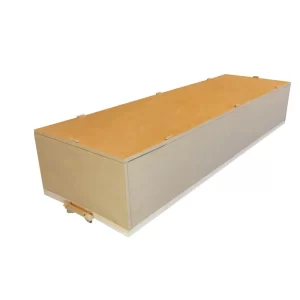
A mushroom casket is a burial container that incorporates fungal mycelium or mycelium-based materials into its construction.
Mycelium is the network of microscopic fungal structures that forms the vegetative body of many fungi. In nature, fungal networks can grow through soil and organic material, where they participate in decomposition and nutrient cycling.
Some companies have developed burial products using mycelium-based materials as alternatives to conventional casket materials.
These products are generally designed to be biodegradable and compatible with natural decomposition.
The exact construction varies by manufacturer. Some products may use mycelium composites grown around agricultural or plant-based materials, while others incorporate mycelium into specific components of the burial container.
For anyone considering a mushroom casket, it is important to review the actual materials and claims made by the manufacturer rather than assuming every fungal-based casket has identical properties.
What is Mycelium and Why Does It Matter?
To understand mushroom-based burial products, it helps to understand the difference between mushrooms and mycelium.
The mushroom that people commonly recognize is the reproductive structure produced by certain fungi. Much of a fungus’s biological activity occurs through its mycelium.
Mycelium consists of microscopic filament-like structures that can spread through suitable organic material.
In natural ecosystems, fungi are important decomposers. They help break down complex organic compounds and contribute to the movement of nutrients through ecosystems.
This makes fungi particularly interesting in natural burial.
Instead of treating decomposition as something to prevent, green burial approaches generally allow biological processes to occur more naturally.
A mycelium-based casket can therefore be viewed as a burial container designed to participate in the same broad ecological cycle rather than acting as a long-lasting barrier around the body.
How Mushroom Caskets Interact With Soil
The phrase “heal the soil” can sound dramatic, but the underlying concept is connected to real biological processes.
A biodegradable mushroom casket can eventually break down as environmental conditions support biological decomposition.
During this process, fungi and microorganisms can contribute to the decomposition of organic materials.
The important factors include:
- Moisture
- Temperature
- Oxygen availability
- Soil composition
- Microbial activity
- Organic material available for decomposition
- The construction of the burial container
A healthy soil ecosystem contains a complex community of microorganisms, fungi, plants, organic matter, minerals, and other organisms.
When biodegradable materials decompose, their components can enter natural nutrient cycles.
However, the rate and outcome of decomposition cannot be guaranteed because burial environments differ considerably.
Can Mushroom Caskets Actually Heal Soil?
This is where careful language matters.
Mushroom caskets may support natural decomposition and biological activity, but it would be inaccurate to claim that every mushroom casket actively repairs damaged or contaminated soil.
“Remediation” is a specific environmental concept involving the reduction, removal, or treatment of contaminants.
Certain fungi have been studied for their potential ability to interact with or break down particular pollutants. This area of research is often referred to as mycoremediation.
However, the fact that fungi can participate in mycoremediation does not automatically mean that a mushroom casket will remediate contaminated burial soil.
The environmental benefit of a fungal-based casket should therefore be evaluated based on documented materials, manufacturing practices, decomposition characteristics, and the specific burial environment.
What is Mycoremediation?
Mycoremediation refers to the use of fungi to help remove, transform, or reduce certain environmental contaminants.
Researchers have investigated fungal organisms and their enzymes for potential applications involving polluted soil and other environmental materials.
Fungi can produce enzymes capable of breaking down complex organic compounds. Depending on the fungal species and contaminant, these biological processes may have environmental applications.
This scientific field helps explain why fungi attract interest in ecological technologies.
But there is an important distinction between mycoremediation and ordinary decomposition.
A mushroom casket designed for natural burial may primarily be intended to biodegrade and facilitate the return of organic materials to the environment. It should not automatically be considered a soil-remediation system.
If a manufacturer makes specific claims about pollution reduction or soil restoration, look for evidence supporting those claims.
Mushroom Caskets and Natural Decomposition
One of the strongest arguments for biodegradable burial containers is that they are designed to eventually return to the environment.
Traditional caskets may contain materials intended for durability, including treated wood, metal, hardware, finishes, or other components.
Natural burial products generally aim to minimize materials that interfere with natural decomposition.
A mushroom casket can fit this philosophy because mycelium-based materials are designed to biodegrade under suitable conditions.
This does not mean decomposition happens immediately.
Burial conditions influence how quickly biological materials break down. A dry environment, different soil composition, limited oxygen, or other local factors can affect the process.
The cemetery’s burial practices also matter.
What Happens to a Mushroom Casket After Burial?
After burial, the casket is exposed to the surrounding environment.
Moisture, microorganisms, fungi, and other biological processes gradually interact with biodegradable materials.
Over time, suitable materials can break down into simpler organic components.
The process may involve several biological organisms rather than fungi alone.
Bacteria, fungi, soil invertebrates, moisture, temperature, and other environmental factors all contribute to decomposition.
As organic material breaks down, nutrients can become part of the surrounding ecosystem.
This is one of the central ideas behind green burial: allowing natural biological cycles to play a greater role in the disposition process.
How Mushroom Caskets Differ From Conventional Caskets
The differences become clearer when the purpose of the container is considered.
A conventional casket is often designed primarily for presentation, transportation, protection, and durability.
A mushroom-based burial container emphasizes biodegradability and compatibility with natural decomposition.
| Feature | Mushroom Casket | Conventional Casket |
| Primary design goal | Biodegradability and natural decomposition | Durability, presentation, and containment |
| Materials | May include mycelium-based components | May include wood, metal, finishes, and hardware |
| Decomposition | Designed to biodegrade | Varies significantly by materials |
| Natural burial compatibility | May be suitable where approved | Depends on cemetery requirements |
| Soil interaction | Intended to break down naturally | Depends on construction |
| Environmental claims | Must be evaluated by product | Vary by product |
Not every conventional casket is environmentally harmful, and not every mushroom casket is automatically environmentally superior.
The details of the product matter.
Potential Environmental Benefits
Mushroom caskets may offer several potential environmental advantages when appropriately designed and used in a natural burial setting.
Biodegradable Materials
A mycelium-based container can be designed to break down through natural biological processes.
Reduced Reliance on Durable Materials
Some mushroom-based products can reduce the use of materials intended to remain intact for long periods.
Compatibility With Natural Burial
Where approved, fungal-based caskets can support the broader philosophy of natural burial.
Connection to Biological Nutrient Cycles
As biodegradable materials decompose, their organic components can participate in natural nutrient cycles.
Alternative Material Innovation
Mycelium-based materials are being explored in a range of industries, including packaging and product design. Their use in burial products represents one application of broader biomaterial development.
The actual environmental impact depends on the complete lifecycle of the product, including how it is produced and transported.
What About the Body Inside the Casket?
The casket is only one part of a burial.
The body’s preparation can also influence the environmental characteristics of the burial.
Many natural burial arrangements seek to minimize practices and materials that can interfere with natural decomposition, although requirements vary by location and cemetery.
Families considering a mushroom casket should ask:
- Is embalming required?
- Are biodegradable clothing options permitted?
- Are natural burial shrouds allowed?
- Are certain personal items prohibited?
- What materials can be buried with the body?
- Does the cemetery have specific natural burial standards?
A mushroom-based casket does not automatically make an entire funeral “green.”
The complete arrangement matters.
Choosing a Mushroom Casket for Green Burial
If you are considering a mushroom casket, start by checking whether your selected cemetery permits it.
Then evaluate the product itself.
Check the Materials
Ask the manufacturer what the casket contains.
Look for clear information about:
- Mycelium
- Agricultural or plant-based materials
- Adhesives
- Coatings
- Dyes
- Hardware
- Synthetic components
The fewer unnecessary synthetic materials used in a product, the easier it may be to understand its intended environmental profile.
Verify Cemetery Approval
Not every cemetery accepts every biodegradable container.
Before purchasing, ask the cemetery whether the specific product is permitted.
Understand the Decomposition Process
Ask whether the manufacturer has information about how the product behaves under burial conditions.
Be cautious about unsupported claims regarding how quickly a product decomposes.
Review Environmental Claims
If the product is advertised as “healing soil,” “remediating pollution,” or providing another specific environmental benefit, ask what evidence supports the claim.
Are Mushroom Caskets Safe for the Environment?
A mushroom casket should be evaluated as a complete product rather than simply by the presence of mycelium.
Consider its:
- Raw materials
- Manufacturing process
- Energy use
- Packaging
- Transportation
- Burial conditions
- Decomposition characteristics
- Additional synthetic components
The environmental benefits of a product can be reduced if its manufacturing process relies heavily on resource-intensive materials or long-distance transportation.
This does not mean transportation or manufacturing automatically makes the product environmentally harmful. It means a meaningful comparison requires looking beyond one feature.
Families interested in eco-friendly caskets should compare product specifications rather than relying solely on labels.
Mushroom Caskets and Conservation Burial
Mushroom-based caskets can also fit into the broader concept of conservation-oriented burial when accepted by the cemetery.
Conservation burial goes beyond simply using biodegradable materials. It may connect burial practices with the protection, restoration, or long-term stewardship of natural land.
In such settings, burial can become part of a larger ecological landscape.
However, a cemetery’s conservation goals and management practices are separate from the materials used in a particular casket.
If conservation is important to you, ask the cemetery:
- How is the land managed?
- Are native plants maintained?
- Are pesticides or herbicides used?
- Does burial support a documented conservation program?
- How are grave markers handled?
- How is the property protected over time?
These questions can help you understand the ecological context surrounding the burial.
Questions to Ask Before Buying a Mushroom Casket
Before making a purchase, ask the manufacturer and cemetery:
- What percentage of the casket is made from mycelium?
- What other materials are included?
- Does it contain plastic or synthetic coatings?
- What adhesives or finishes are used?
- Is the casket accepted by my chosen cemetery?
- Is it designed specifically for natural burial?
- What evidence supports its biodegradability claims?
- Does the company make specific soil-remediation claims?
- What happens to the materials after burial?
- Are there additional transportation or handling requirements?
Getting clear answers can help you distinguish a genuinely biodegradable burial product from one that simply uses environmental marketing.
Mushroom Caskets Are Part of a Larger Green Burial Plan
Choosing a mushroom casket is only one decision in an environmentally conscious funeral.
Families may also consider:
- Natural burial cemeteries
- Biodegradable burial shrouds
- Natural clothing
- Local transportation
- Minimal floral arrangements
- Native plant memorials
- Natural grave markers
- Conservation-focused burial grounds
- Lower-impact funeral services
The goal is to consider the complete lifecycle of the funeral rather than focusing on a single product.
A biodegradable casket can be meaningful, but its environmental value is best understood as part of the broader burial system.
Conclusion
Understanding how mushroom caskets actively heal the soil requires separating the science of fungi from marketing claims.
Mycelium plays an important role in natural decomposition and nutrient cycling, and fungal-based burial materials can provide a biodegradable alternative to some conventional casket materials. Certain fungi also have potential applications in environmental remediation, but that does not mean every mushroom casket directly cleans contaminated soil.
For families interested in green burial, the most important step is to evaluate the entire burial plan. Check the casket’s materials, confirm cemetery approval, understand how the product is designed to decompose, and ask for evidence behind specific environmental claims.
When chosen carefully, a mushroom-based casket can complement a natural burial philosophy by allowing biodegradable materials to become part of the natural decomposition cycle.
FAQs
What is a mushroom casket?
A mushroom casket is a burial container that incorporates mycelium or mycelium-based materials into its construction. These materials are generally designed to biodegrade under suitable environmental conditions.
Do mushroom caskets actually heal the soil?
Mushroom caskets can support natural decomposition, but it is too broad to say that every mushroom casket actively heals or cleans contaminated soil. Specific soil-remediation claims should be supported by evidence.
What is mycelium?
Mycelium is the network of microscopic fungal structures that forms the vegetative part of many fungi. It plays an important role in decomposition and nutrient cycling in natural ecosystems.
Are mushroom caskets biodegradable?
Many are designed to biodegrade, but their exact composition varies by manufacturer. Check the product’s materials and confirm that the casket meets the requirements of your chosen natural burial cemetery.
Can you use a mushroom casket for any burial?
No. Cemetery rules vary, and some locations may restrict which burial containers can be used. Always confirm approval with the cemetery before purchasing one.
Are mushroom caskets better for the environment?
They may offer environmental advantages through biodegradable materials and compatibility with natural burial, but the overall impact depends on manufacturing, materials, transportation, burial conditions, and the specific product.