







Liquid cremation and water-soluble urns offer families alternatives to some traditional cremation and burial practices. This guide explains how alkaline hydrolysis works, how water-soluble urns are used, what to consider when choosing one, and how to plan a meaningful water ceremony.
Families exploring environmentally conscious funeral options often encounter unfamiliar terms such as alkaline hydrolysis, water cremation, aquamation, and water-soluble urns. While these options can provide alternatives to traditional cremation and burial, they involve different processes and practical considerations.
Liquid cremation generally refers to alkaline hydrolysis, a process that uses water, heat, and an alkaline solution to accelerate the natural breakdown of the body. After the process is complete, the remaining bone material is processed into a form similar to conventional cremated remains.
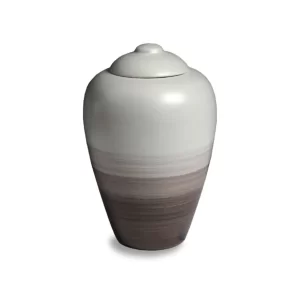
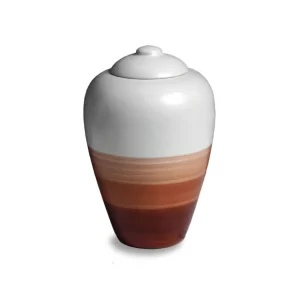
A water-soluble urn serves a different purpose. It is a container designed to break down when placed in water, allowing cremated remains to be released during a water-based memorial ceremony where legally permitted.
Understanding how the two concepts relate and how they differ can help families make informed decisions about disposition, memorialization, and the final placement of cremated remains.
Because funeral laws and water-scattering rules vary by location, always confirm the applicable requirements with a funeral professional and the relevant authorities.
What is Liquid Cremation?
Liquid cremation is a commonly used description for alkaline hydrolysis, a form of final disposition that uses water and an alkaline chemical solution rather than flame.
The body is placed inside a specialized vessel designed for the process. The system combines water, heat, and alkaline chemicals to accelerate decomposition.
The process is intended to replicate and speed up aspects of natural decomposition that would otherwise occur over a much longer period.
After the organic components have broken down, bone fragments remain. These are then processed into a cremated-remains material that can be returned to the family or handled according to applicable regulations and provider policies.
Although people often call the process “water cremation,” it is technically different from flame-based cremation.
How Does Liquid Cremation Work?
The exact equipment and operating procedures vary by provider, but alkaline hydrolysis generally follows several stages.
1. Preparation
The deceased is prepared according to the provider’s procedures and applicable regulations. Certain medical devices or materials may require special handling before the process begins.
2. Placement in the Chamber
The body is placed into a specialized alkaline hydrolysis vessel.
The chamber is designed to safely contain the process while controlling the conditions required for decomposition.
3. Water and Alkaline Solution
Water and an alkaline solution are introduced into the vessel.
The combination creates an environment that accelerates the breakdown of soft tissues.
4. Controlled Heat and Circulation
The system uses controlled heat and circulation to maintain the conditions needed for the process.
Unlike conventional flame cremation, there is no combustion of the body.
5. Recovery of Bone Material
Once the process is complete, bone material remains.
The material is recovered, processed, and prepared in a manner similar to how cremated remains are prepared following other forms of cremation.
6. Final Arrangement
The resulting cremated remains may be placed in an urn, memorial container, or another approved receptacle.
At this point, families can decide how they would like to memorialize or ultimately place the remains.
How is Liquid Cremation Different From Flame Cremation?
The biggest difference is the mechanism used to break down the body.
Traditional cremation uses intense heat and combustion. Alkaline hydrolysis uses water, heat, and an alkaline solution without combustion.
Both processes ultimately leave primarily bone material that can be processed into cremated remains.
| Feature | Flame Cremation | Liquid Cremation |
| Main process | Combustion | Alkaline hydrolysis |
| Primary medium | Heat and flame | Water, heat, and alkaline solution |
| Combustion | Yes | No |
| Final bone material | Processed into cremated remains | Processed into cremated remains |
| Urn required afterward | Depending on family choice | Depending on family choice |
| Availability | Varies by location | More limited and jurisdiction-dependent |
Families considering liquid cremation should confirm whether the option is legally available in their area and which funeral providers offer it.
What Are Water-Soluble Urns?
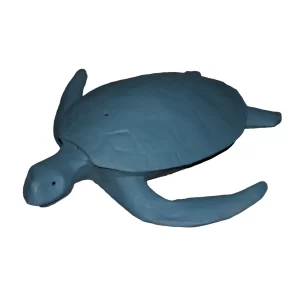
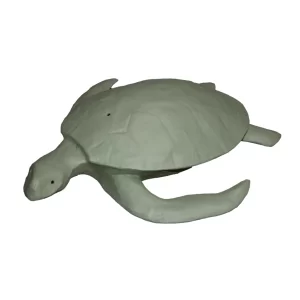
Water-soluble urns are containers designed to dissolve or break down after being placed in water.
They are primarily used for memorial ceremonies involving water rather than for the liquid cremation process itself.
This distinction is important: a water-soluble urn does not perform the cremation or alkaline hydrolysis. It is used afterward to hold cremated remains during a planned disposition or memorial ceremony.
Depending on the product, the urn may be designed for placement in a lake, river, ocean, or another appropriate body of water.
However, not every waterway permits the scattering or release of cremated remains. Families should verify the rules before planning a water ceremony.
How Do Water-Soluble Urns Work?
The concept is relatively simple.
Cremated remains are placed inside the urn before the ceremony. The urn is then carefully placed onto or into the water.
Once exposed to water, the biodegradable or water-soluble material begins to break down.
As the container dissolves, the cremated remains are released into the surrounding water.
The exact behavior depends on the urn’s construction, material, water temperature, currents, and other environmental conditions.
Some products are designed to float briefly before gradually sinking and releasing the remains. Others are designed for immediate placement beneath the water’s surface.
Always follow the manufacturer’s instructions because water-soluble urns are not all designed to behave in exactly the same way.
Choosing the Right Water-Soluble Urn
Selecting an urn involves more than choosing a beautiful design.
Before purchasing water-soluble urns, consider how and where the ceremony will take place.
Check the Material
Look for an urn specifically designed for water-based disposition.
Depending on the product, materials may include biodegradable paper-based materials, natural fibers, sand-based components, or other materials designed to break down in water.
Avoid assuming that a container labeled “biodegradable” is automatically suitable for water. Biodegradable and water-soluble are not necessarily interchangeable terms.
Consider the Water Environment
Think about whether the ceremony will take place in:
- The ocean
- A lake
- A river
- A private water feature
- Another permitted location
Water movement can affect how quickly an urn moves, sinks, or releases its contents.
Check the Size and Capacity
Make sure the urn is appropriately sized for the amount of cremated remains being placed inside it.
Manufacturers typically provide capacity specifications. Check these details before ordering.
Review the Manufacturer’s Instructions
Read the product instructions carefully.
Important details may include:
- How the remains should be placed inside
- Whether the urn should remain sealed until the ceremony
- Whether it should be lowered into the water or placed on the surface
- How long it is expected to float
- How the material responds to different water conditions
Following these instructions can make the ceremony more predictable and respectful.
Are Water-Soluble Urns Environmentally Friendly?
Water-soluble urns are designed with a lower-impact memorial experience in mind, but “eco-friendly” should not be treated as a blanket guarantee.
The environmental impact depends on the materials used, manufacturing process, transportation, packaging, and where the urn is ultimately placed.
Families should look beyond marketing language and ask:
- What is the urn made from?
- Does it contain synthetic coatings?
- Does it contain plastic components?
- Is it designed specifically for water?
- What happens to the material after it dissolves?
- Is the product appropriate for the intended environment?
- Does the manufacturer provide disposal or use instructions?
Choosing a product made from appropriate biodegradable materials can help align the memorial with a family’s environmental values.
Planning a Water Memorial Ceremony
A water-based memorial can be simple or elaborate.
Some families prefer a quiet private ceremony, while others may invite relatives and friends to share memories and participate.
A ceremony might include:
- Readings
- Music
- Personal stories
- Flowers made from appropriate natural materials
- A moment of silence
- A prayer or spiritual tradition
- A final farewell
- A symbolic gesture before releasing the urn
The ceremony should reflect the wishes of the person being remembered.
If flowers or other objects will be placed in the water, verify that they are permitted and environmentally appropriate. Items containing plastic, wire, synthetic decorations, or other non-biodegradable materials may be inappropriate for natural waterways.
Where Can You Use a Water-Soluble Urn?
This is one of the most important questions to answer before purchasing an urn.
Water disposition is regulated differently depending on the location and type of water.
Rules may apply to:
- Oceans
- Rivers
- Lakes
- Public waterways
- Coastal areas
- Private property
- Protected environmental areas
Some jurisdictions have specific requirements for scattering cremated remains, including distance-from-shore rules, notification requirements, permits, or restrictions on certain locations.
Never assume that a beautiful or personally meaningful location is automatically permitted.
Before planning the ceremony, contact the relevant authority or ask your funeral provider to explain the rules that apply to the intended location.
Water-Soluble Urns vs. Traditional Cremation Urns
Traditional urns are designed to preserve and contain cremated remains for long-term storage or display.
Water-soluble urns are designed for a different purpose.
| Feature | Traditional Urn | Water-Soluble Urn |
| Primary purpose | Long-term containment | Water-based memorial |
| Material | May include metal, ceramic, wood, glass, etc. | Designed to dissolve or biodegrade in water |
| Water ceremony | Generally unsuitable | Specifically designed for water placement |
| Long-term storage | Yes | Generally not the intended purpose |
| Memorial location | Home, columbarium, cemetery, etc. | Approved water location |
| Product design | Focuses on durability | Focuses on controlled breakdown |
The right option depends on what the family wants to do with the cremated remains.
Can You Use a Water-Soluble Urn With Any Cremated Remains?
In general, a water-soluble urn is intended to hold cremated remains regardless of whether the remains came from flame cremation or another legally permitted cremation process.
However, the exact rules depend on the provider, product, and local regulations.
If the family chooses alkaline hydrolysis, ask the provider how the resulting bone material is processed and packaged before selecting an urn.
You should also verify whether the amount of material is appropriate for the urn’s capacity.
What Should You Avoid Putting in a Water-Soluble Urn?
The urn should contain only materials that are appropriate for the intended ceremony and product.
Avoid adding objects simply because they are emotionally meaningful without checking whether they are compatible with the urn or water environment.
Potentially problematic materials can include:
- Plastic
- Synthetic ribbons
- Metal objects
- Glass
- Non-biodegradable decorations
- Batteries or electronic items
- Artificial flowers containing plastic components
If the family wants to include a personal item, ask the urn manufacturer or funeral professional whether it is appropriate.
For an environmentally focused ceremony, simplicity is often the safest approach.
Questions to Ask Before Buying Water-Soluble Urns
Before purchasing, ask:
- Is the urn specifically designed for water placement?
- What materials is it made from?
- How much cremated material can it hold?
- Is it intended to float, sink, or do both?
- How long does it typically remain intact?
- Does it contain plastic or synthetic coatings?
- Can it be used in saltwater and freshwater?
- What are the manufacturer’s instructions?
- Is the intended water location legally permitted?
- Does the urn meet any requirements established by the cemetery, funeral provider, or local authority?
These questions can prevent practical problems during the ceremony.
How to Make the Ceremony More Meaningful
The urn itself is only one part of the memorial.
Families can make the experience personal by connecting the ceremony to the person’s life.
For example, you could:
- Read a favorite poem
- Share memories
- Play meaningful music
- Invite family members to speak
- Say a final farewell
- Hold a private reflection before releasing the urn
- Choose a location associated with meaningful memories, where legally permitted
The purpose is not to create a complicated event. A simple ceremony can be deeply meaningful when it reflects the person’s personality, relationships, and wishes.
Conclusion
Understanding how liquid cremation works can help families distinguish alkaline hydrolysis from traditional flame cremation. The process uses water, heat, and an alkaline solution to accelerate decomposition, ultimately leaving bone material that can be processed into cremated remains.
Water-soluble urns, meanwhile, provide a way to incorporate those remains into a water-based memorial ceremony. They are designed to dissolve or break down in water and should be selected according to the ceremony location, material, capacity, and manufacturer’s instructions.
If you are considering either option, start by confirming legal availability and local water-dispersal requirements. Then compare providers, review the environmental characteristics of the products you are considering, and choose a memorial approach that reflects your family’s wishes.
A thoughtful plan can make the final farewell both personal and consistent with your environmental values.
FAQs
What are water-soluble urns?
Water-soluble urns are containers designed to break down when placed in water, allowing cremated remains to be released during an appropriate water-based memorial ceremony.
Are water-soluble urns biodegradable?
Many are designed using biodegradable or water-soluble materials, but products differ. Always check the manufacturer’s materials and specifications before purchasing.
Is liquid cremation the same as water cremation?
“Water cremation” is a common term for alkaline hydrolysis, also called liquid cremation or aquamation. It uses water, heat, and an alkaline solution rather than flame-based combustion.
Can water-soluble urns be placed in any lake or river?
No. Laws and regulations governing the placement or scattering of cremated remains vary by location. Always verify that the intended location permits the ceremony.
Do water-soluble urns float or sink?
It depends on the product. Some are designed to float briefly before sinking, while others are intended to be placed below the water’s surface.
Can cremated remains from liquid cremation be placed in a water-soluble urn?
Depending on the provider and applicable regulations, the resulting bone material may be placed in an appropriate urn. Confirm the provider’s procedures and the urn’s capacity before making arrangements.