
When families begin planning end-of-life arrangements, one of the most important decisions they face is choosing between a green burial vs traditional burial. While both honor a loved one’s life, the environmental, financial, and philosophical differences between the two are significant. As more Americans become environmentally conscious, understanding these differences helps families make informed, values-driven decisions.
In this guide, we’ll break down the real distinctions between traditional funerals and eco-friendly alternatives, examine costs, materials, environmental impact, and explore how these options compare to cremation.
What Is the Difference Between Green Burial vs Traditional Burial?
The core difference in a green burial vs traditional burial lies in environmental impact, materials used, and long-term sustainability.
Traditional Burial
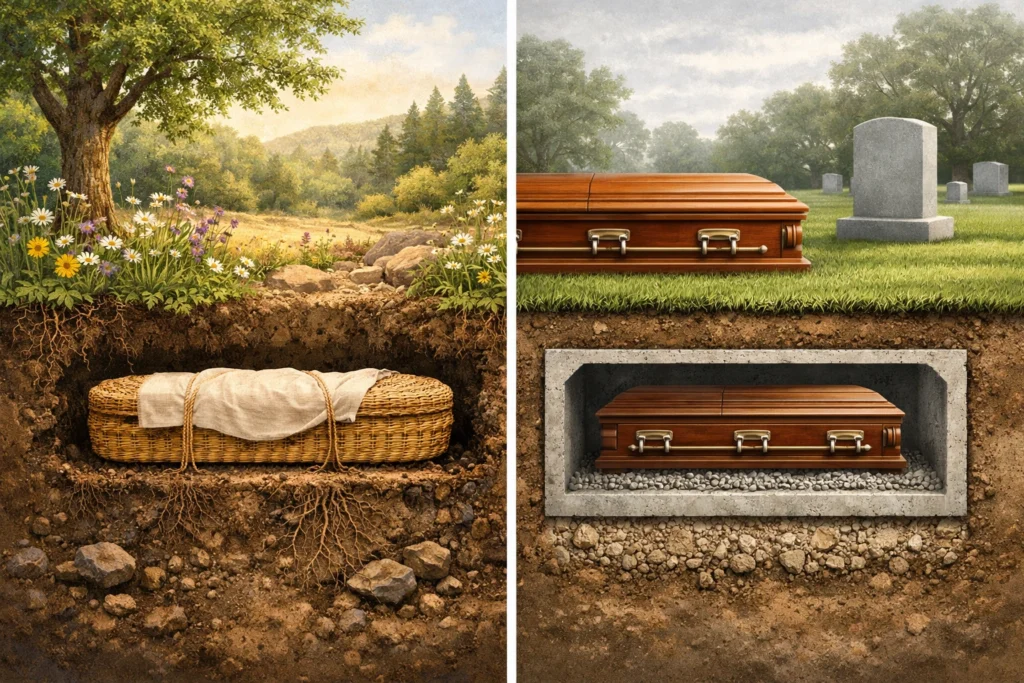
Traditional funerals in the United States typically include:
-
Embalming with chemical preservatives
-
Metal or hardwood caskets
-
Concrete burial vaults
-
Manicured cemetery lawns
-
Permanent headstones
While this approach has been the cultural norm for decades, it involves significant resource consumption and chemical usage.
Green Burial
Green burial, also known as natural burial, focuses on:
-
No embalming (or non-toxic preservation only)
-
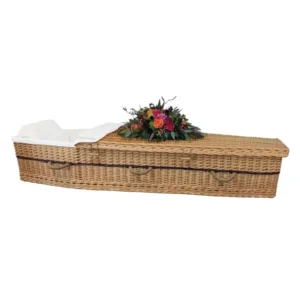
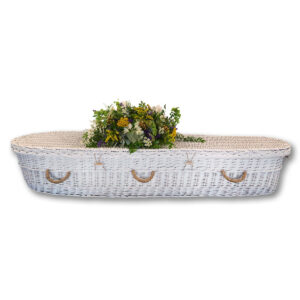
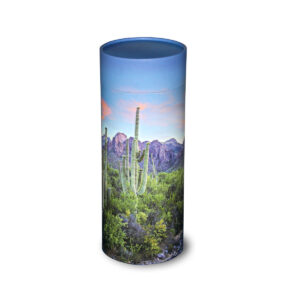
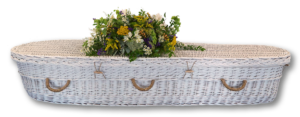
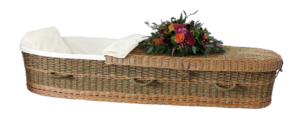
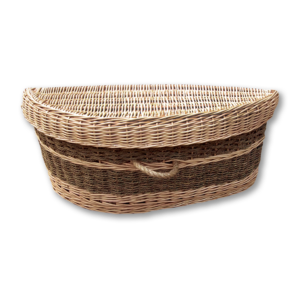
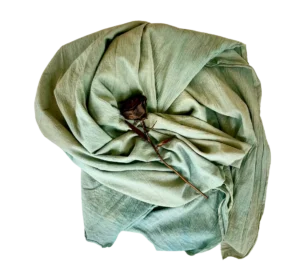
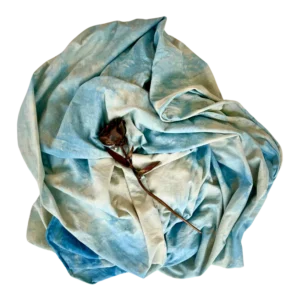
Biodegradable caskets or burial shrouds
-
No concrete vaults
-
Natural cemetery landscapes
-
Minimal environmental disturbance
Instead of preserving the body indefinitely, green burial allows natural decomposition, returning nutrients to the earth.
Environmental Impact of Burial Methods
One of the most discussed concerns today is the environmental impact of burial practices in America.
Each year in the U.S.:
-
Thousands of tons of steel and copper are buried in caskets
-
Millions of board feet of hardwood are used
-
Embalming fluid containing formaldehyde enters the ground
Traditional burial methods consume resources and may introduce chemicals into the soil over time.
In contrast, green burial significantly reduces:
-
Carbon emissions
-
Chemical contamination
-
Land disruption
-
Resource consumption
Because no vaults or toxic chemicals are used, the land remains part of a natural ecosystem.
This is why many families researching eco burial comparison options find green burial to be the more sustainable choice.
Cost Differences: Traditional Funeral vs Green Funeral
When comparing a traditional funeral vs green funeral, cost is often a major factor.
Traditional Burial Costs (U.S. Average)
-
Casket: $2,000–$10,000
-
Burial vault: $1,000–$3,000
-
Embalming & preparation: $800–$1,500
-
Funeral services: $2,000+
-
Cemetery plot & fees: varies by state
Total average cost: $7,000–$12,000+
Green Burial Costs
-
Biodegradable casket or shroud: $1,000–$4,000
-
No vault required
-
No embalming
-
Simpler services
-
Natural cemetery fees
Total average cost: $3,000–$6,000
While prices vary by location, green funerals often cost significantly less because they eliminate vaults and chemical embalming.
Materials Used: Sustainability Comparison
An important part of any eco burial comparison involves examining materials.
Traditional burial materials:
-
Steel
-
Copper
-
Exotic hardwood
-
Concrete
-
Synthetic fabrics
Green burial materials:
-
Bamboo
-
Willow
-
Pine
-
Cotton or linen shrouds
-
Seagrass or wicker
These biodegradable materials break down naturally and do not leave a long-term footprint.
Natural Burial vs Cremation: Which Is More Eco-Friendly?
Many families also ask about natural burial vs cremation.
Cremation is often viewed as eco-friendly because it avoids land use. However, cremation requires high heat (1,400–1,800°F) and releases carbon dioxide and other emissions into the atmosphere.
Natural burial:
-
Uses no high-energy combustion
-
Produces minimal emissions
-
Returns nutrients to the soil
Cremation:
-
Emits greenhouse gases
-
Requires fossil fuel energy
-
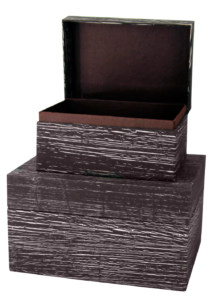
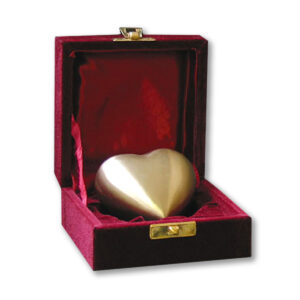
May involve additional memorial products
While cremation is simpler than traditional burial, green burial is generally considered the most environmentally sustainable option.
Emotional and Cultural Differences
Beyond environmental and financial factors, emotional values matter.
Traditional funerals often emphasize:
-
Formal ceremonies
-
Long-standing religious customs
-
Structured cemetery settings
Green funerals emphasize:
-
Simplicity
-
Nature connection
-
Personalized memorial experiences
-
Conservation values
Families choosing green burial often describe the experience as peaceful, meaningful, and aligned with environmental stewardship.
Land Use and Cemetery Practices
Traditional cemeteries are designed for permanence and landscaping consistency. Lawns are maintained with fertilizers, irrigation systems, and mowing.
Green cemeteries focus on:
-
Native plants
-
Habitat restoration
-
Conservation land
-
Natural markers like trees or flat stones
This shift significantly reduces long-term environmental maintenance.
Who Should Consider Green Burial?
Green burial may be ideal for individuals who:
-
Care deeply about environmental sustainability
-
Prefer simplicity over elaborate funeral rituals
-
Want lower funeral costs
-
Wish to leave a minimal ecological footprint
As awareness grows across the United States, more families are actively researching the real differences in a green burial vs traditional burial decision before making final arrangements.
Final Thoughts on Green Burial vs Traditional Burial
Ultimately, choosing between a green burial vs traditional burial comes down to personal values, environmental priorities, and budget considerations. Traditional funerals follow established cultural practices but involve higher environmental impact and cost. Green burials offer a sustainable, often more affordable alternative that supports ecological balance and natural remembrance.
For families across the United States seeking eco-conscious end-of-life options, GreenBurials.com provides thoughtfully designed biodegradable caskets, natural burial shrouds, and environmentally responsible funeral products. At Green Burials, our mission is to help families honor their loved ones while protecting the planet for future generations.