
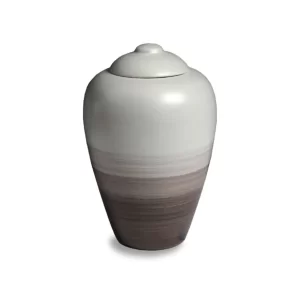
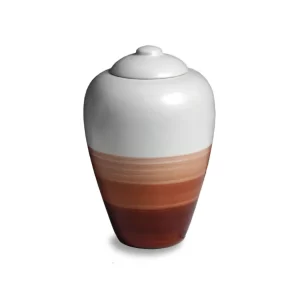
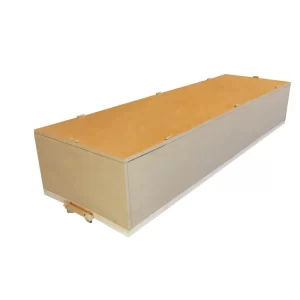
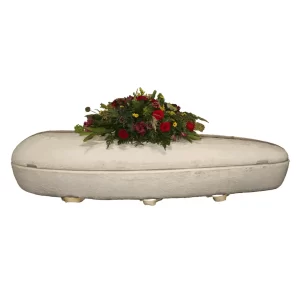
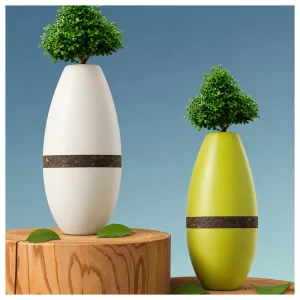
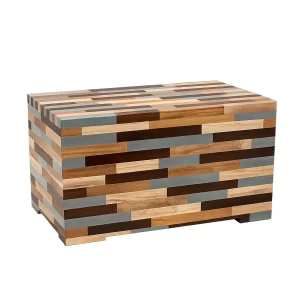
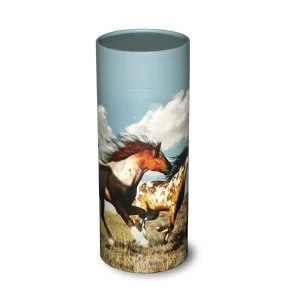
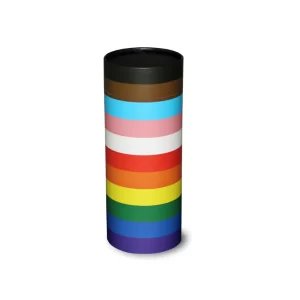
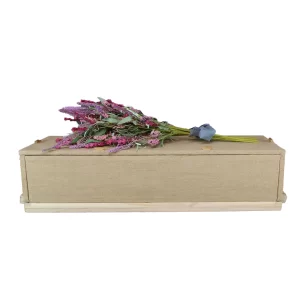
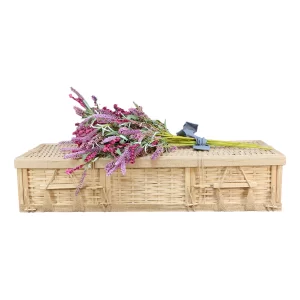
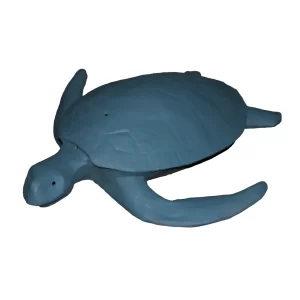
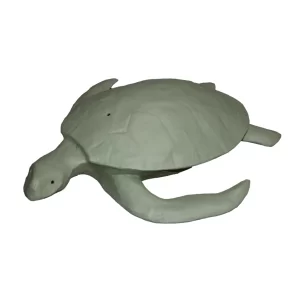




Biodegradable urns provide an environmentally responsible way to honor a loved one after cremation. This guide explores the different types, materials, benefits, and factors to consider when choosing the best biodegradable urn for ashes.
Choosing the right memorial option after cremation is an important decision for many families. As more people seek environmentally responsible end-of-life choices, biodegradable urns, eco-friendly memorials, and green burials products have become increasingly popular.
Unlike traditional urns made from metal, marble, or synthetic materials, biodegradable urns are designed to naturally break down over time. They offer a meaningful way to return a loved one’s ashes to nature while supporting sustainability and reducing environmental impact.
This guide explains the best biodegradable urn options available today and helps you select the right choice based on your memorial preferences.
What Is a Biodegradable Urn?
A biodegradable urn is a cremation urn made from natural materials that decompose naturally when placed in soil, water, or other outdoor environments.
These urns are commonly used for:
- Green burial ceremonies
- Water memorials
- Tree planting memorials
- Natural cemetery interments
- Eco-conscious funeral planning
Common biodegradable urn materials include:
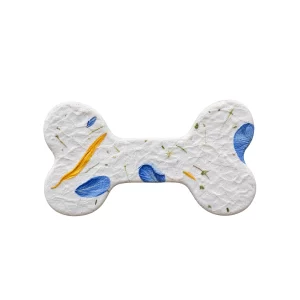
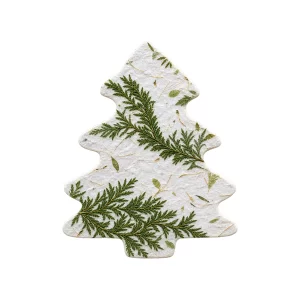
- Recycled paper
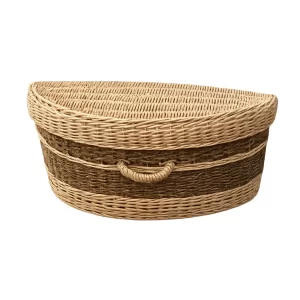
- Plant fibers
- Bamboo
- Sand
- Salt
- Cornstarch
- Natural clay
- Coconut shells
Many families choose biodegradable urns because they align with personal values centered around sustainability and environmental stewardship.
Why Families Choose Biodegradable Urns
The growing popularity of green cremation memorials reflects a broader interest in reducing environmental impact.
Benefits include:
Environmentally Friendly
Biodegradable urns naturally return to the earth without leaving harmful residues behind.
Compatible With Green Burials
Many natural burial grounds and green cemeteries encourage or require biodegradable memorial products.
Meaningful Connection to Nature
Families often find comfort in memorial options that symbolize renewal, growth, and the cycle of life.
Suitable for Water Memorials
Many biodegradable urns are specifically designed to float briefly before gently sinking and decomposing.
Supports Sustainable Funeral Planning
Using eco-friendly memorial products complements broader green funeral planning goals.
Types of Biodegradable Urns for Ashes
Different biodegradable urns are designed for different memorial preferences.
Water Burial Urns
Water burial urns are made from materials that float temporarily before naturally sinking.
They are commonly used in:
- Oceans
- Lakes
- Rivers
- Coastal memorial ceremonies
These urns often feature handcrafted paper or salt-based construction.
Families seeking a peaceful water tribute often prefer this option because it provides a dignified farewell while minimizing environmental impact.
Earth Burial Urns
Earth burial urns are intended for placement in soil.
Materials typically include:
- Bamboo
- Recycled paper
- Clay
- Plant-based composites
These urns gradually decompose and allow cremated remains to become part of the surrounding environment.
They are ideal for green cemeteries, natural burial sites, and private memorial gardens.
Tree Memorial Urns
Tree urns combine cremated remains with soil and a tree seed or sapling.
These memorial products allow families to create a living tribute that continues to grow over time.
Tree memorial urns are especially popular among people who value:
- Conservation
- Reforestation
- Environmental legacy
- Nature-based remembrance
Many families consider this one of the most meaningful forms of eco-friendly memorialization.
Salt Urns
Salt urns are handcrafted using compacted natural salt.
They are commonly selected for water burials because they dissolve naturally without harming aquatic ecosystems.
Salt urns are elegant, environmentally responsible, and specifically designed for marine memorial ceremonies.
Best Materials Used in Biodegradable Urns
Understanding materials can help you choose the best urn for your memorial goals.
| Material | Best Use | Biodegradation Speed |
| Recycled Paper | Water or land burial | Fast |
| Bamboo | Earth burial | Moderate |
| Salt | Water burial | Fast |
| Natural Clay | Earth burial | Moderate |
| Coconut Fiber | Land memorials | Moderate |
| Sand Composite | Water memorials | Fast |
| Plant-Based Materials | Tree memorials | Moderate |
Each material offers unique visual appeal and environmental benefits.
Choosing the Best Biodegradable Urn for Ashes
Several factors should guide your selection.
Memorial Location
The intended memorial location plays a major role.
For example:
- Water ceremonies require water-safe urns.
- Natural burial grounds often require fully biodegradable materials.
- Tree memorials need specialized planting urns.
Always verify cemetery or memorial site requirements before purchasing.
Size and Capacity
Urns come in different sizes.
Consider:
- Adult urns
- Companion urns
- Keepsake urns
- Pet urns
Selecting the correct capacity ensures the urn appropriately accommodates cremated remains.
Material Preferences
Some families prioritize appearance, while others focus on environmental impact.
For example:
- Bamboo provides a natural aesthetic.
- Salt creates an elegant water memorial.
- Recycled paper offers affordability and sustainability.
Personal Values
The best urn often reflects the personality, beliefs, and wishes of the deceased.
A nature lover may appreciate a tree memorial urn, while someone with a connection to the ocean may prefer a water burial urn.
Biodegradable Urns and Green Burials
Biodegradable urns play an important role in modern green burial practices.
Green burials emphasize:
- Minimal environmental impact
- Natural decomposition
- Reduced resource consumption
- Sustainable memorialization
Many green burial cemeteries require biodegradable containers because they support the natural restoration of the landscape.
When paired with other eco-friendly funeral products, biodegradable urns help create a fully sustainable end-of-life plan.
Are Biodegradable Urns Safe for the Environment?
Yes, when made from natural materials, biodegradable urns are generally considered environmentally safe.
Benefits include:
- No toxic coatings
- No synthetic plastics
- Reduced long-term waste
- Natural decomposition
- Minimal ecological disturbance
However, families should always follow local regulations regarding water burials and public land memorials.
Choosing certified biodegradable products helps ensure environmental compatibility.
Biodegradable Urns for Water Burials
Water memorials have become increasingly popular among families seeking a peaceful and symbolic farewell.
A quality water burial urn should:
- Float temporarily
- Remain stable during ceremonies
- Sink naturally
- Decompose safely
Common choices include:
- Salt urns
- Recycled paper urns
- Sand urns
- Plant-based water urns
These products create a respectful memorial experience while preserving aquatic ecosystems.
Biodegradable Urns for Tree Planting Memorials
Tree memorial urns represent one of the fastest-growing trends in green memorialization.
Benefits include:
- Living memorials
- Long-term environmental contribution
- Natural beauty
- Symbolic renewal
Many families find comfort knowing their loved one’s memory continues through the growth of a tree.
Tree memorials also complement natural burial and conservation-focused end-of-life planning.
Cost of Biodegradable Urns
Biodegradable urn pricing varies depending on material, craftsmanship, and design.
Typical price ranges include:
| Type | Typical Range |
| Basic Paper Urns | Affordable |
| Bamboo Urns | Moderate |
| Salt Water Urns | Moderate |
| Tree Memorial Urns | Moderate to Premium |
| Artisan Eco Urns | Premium |
While costs vary, biodegradable urns are available across a wide range of budgets.
Families can often find environmentally responsible options without significantly increasing memorial expenses.
How to Care for a Biodegradable Urn Before Use
Because biodegradable urns are made from natural materials, proper storage is important.
Recommended practices include:
- Keep indoors in a dry location.
- Avoid excessive humidity.
- Protect from direct sunlight.
- Handle carefully to prevent premature deterioration.
Proper storage helps maintain the urn’s appearance until the memorial ceremony takes place.
Final Thoughts on the Best Biodegradable Urns for Ashes
The best biodegradable urn for ashes depends on your family’s memorial goals, environmental values, and personal preferences.
Whether you choose a water burial urn, tree memorial urn, green burial urn, or another eco-friendly cremation urn, biodegradable options offer a meaningful way to honor a loved one while respecting nature.
As interest in sustainable funeral planning, green burials, and natural memorials continues to grow, biodegradable urns provide families with thoughtful choices that align remembrance with environmental responsibility.
FAQs
What is a biodegradable urn made from?
Most biodegradable urns are made from natural materials such as paper, bamboo, salt, sand, clay, or plant fibers.
Can biodegradable urns be used in water?
Yes. Many biodegradable urns are specifically designed for ocean, lake, or river memorial ceremonies.
How long does a biodegradable urn take to decompose?
The timeline varies by material and environment, ranging from weeks to several years.
Are biodegradable urns allowed in green cemeteries?
Many green cemeteries prefer or require biodegradable urns, but requirements vary by location.
Can I plant a tree with a biodegradable urn?
Yes. Tree memorial urns are designed specifically to support tree planting memorials.
Are biodegradable urns environmentally safe?
When made from natural materials, biodegradable urns are designed to decompose without leaving harmful residues.