


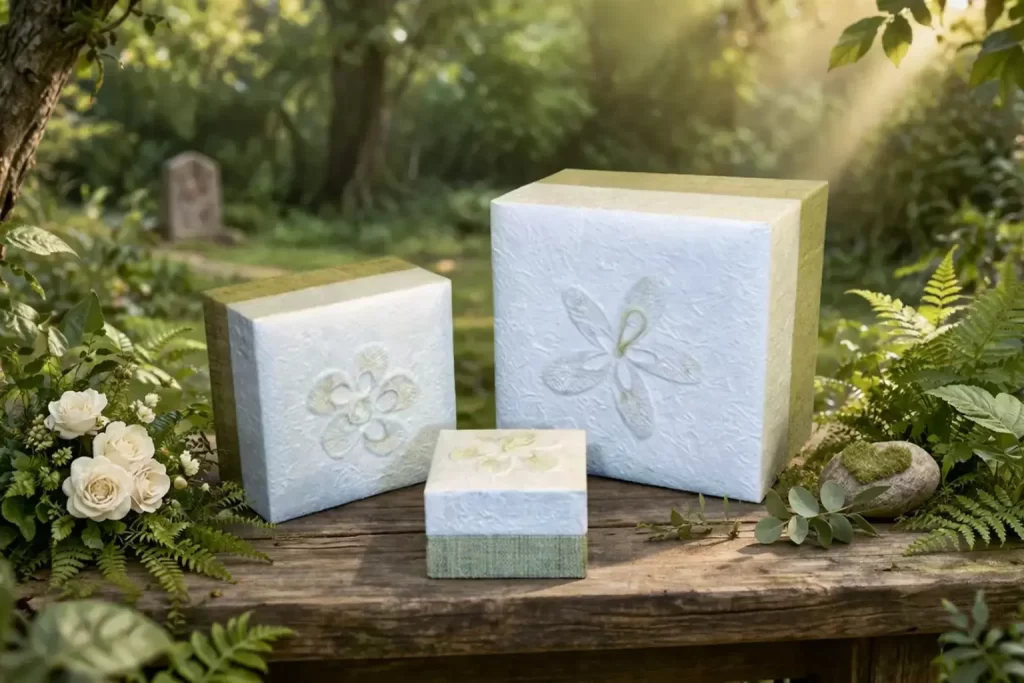
Losing a loved one brings emotional challenges along with important decisions. One of those decisions is how to honor their memory in a meaningful and respectful way. If you have chosen cremation, selecting the right urn becomes a deeply personal and significant step. Choosing the right cremation urn is not just about aesthetics, it reflects your loved one’s personality, your family’s wishes, and the final resting place you envision. With so many options available today, from simple designs to custom memorial pieces, it can feel overwhelming to make the right choice.
This guide simplifies the process by providing clear, practical tips to help you choose the right cremation urn with confidence, dignity, and care.
What is a Cremation Urn?
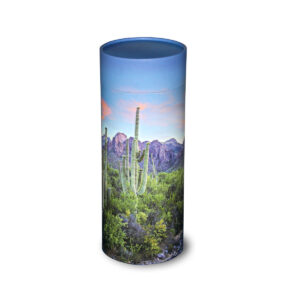
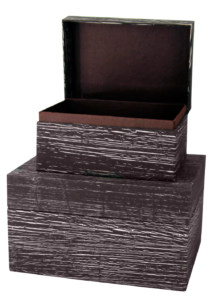
A cremation urn is a container designed to hold the cremated remains (ashes) of a deceased person. Urns come in various sizes, materials, and styles, allowing families to choose an option that reflects personal preferences, cultural traditions, and intended final placement.
Why Choosing the Right Cremation Urn Matters
Selecting an urn is more than a functional decision, it carries emotional and symbolic importance.
Key reasons it matters:
- Honors your loved one’s memory respectfully
- Reflects personal beliefs, values, or personality
- Supports your chosen memorial or burial method
- Provides a lasting tribute for future generations
Making a thoughtful choice ensures peace of mind during a difficult time.
Key Factors to Consider When You Choose the Right Cremation Urn
1. Size Matters More Than You Think
One of the most important and often overlooked factors is size.
- Standard guideline: 1 cubic inch per pound of body weight
- Example: A 180-pound individual typically requires a 180 cubic inch urn
Important note:
An urn can be too small, but it cannot be too large. When in doubt, choose a slightly larger urn to ensure proper capacity.
2. Budget and Cost Considerations
Price is often the first practical concern when selecting an urn.
Typical price ranges:
- Basic urns: $50–$150
- Mid-range urns: $150–$500
- Premium/custom urns: $500+
There are high-quality, beautiful urns available at every price point. Setting a budget early helps narrow your options without compromising respect or dignity.
3. Material Options and Their Meaning
The material of the urn affects durability, appearance, and cost.
Common materials include:
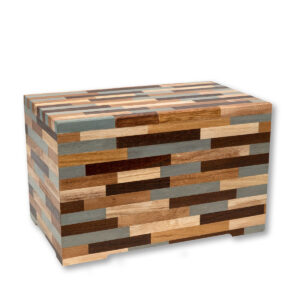
- Wood: Warm, natural, and timeless
- Ceramic: Artistic and elegant
- Metal (brass, aluminum): Durable and traditional
- Glass or stained glass: Unique and decorative
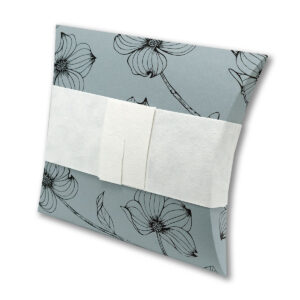
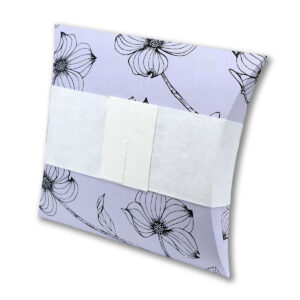
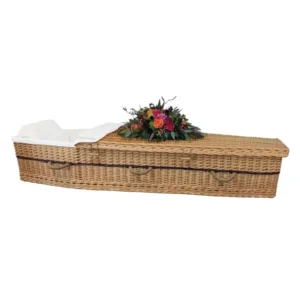
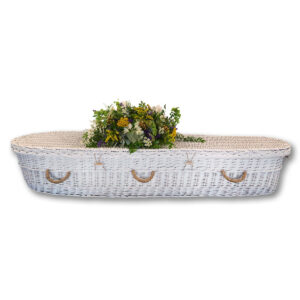
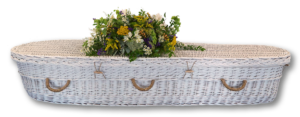
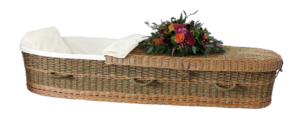
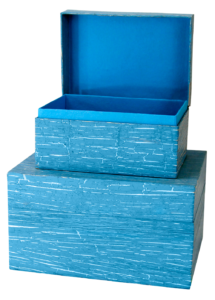
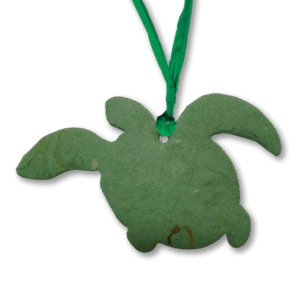
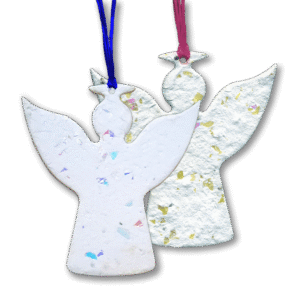
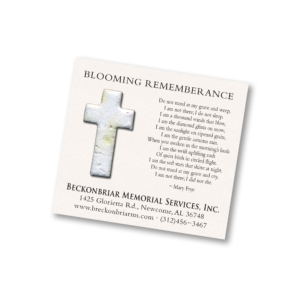
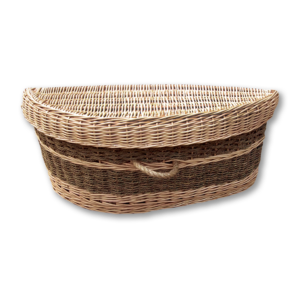
- Biodegradable materials: Eco-friendly and suitable for green burials
Each material offers a different emotional and visual experience, so choose one that aligns with your intentions.
4. Final Resting Place or Display Method
Where the urn will be placed plays a major role in your decision.
Common options:
- Display at home (requires durable and aesthetically pleasing design)
- Burial in a cemetery or urn vault
- Placement in a columbarium niche
- Scattering (temporary urn may be used)
For example, biodegradable urns are ideal for natural burial, while decorative urns are better suited for home display.
5. Personalization and Customization
Many families choose to personalize urns to reflect the life of their loved one.
Customization options include:
- Engraved names, dates, or quotes
- Symbols, religious motifs, or artwork
- Photo-printed urns
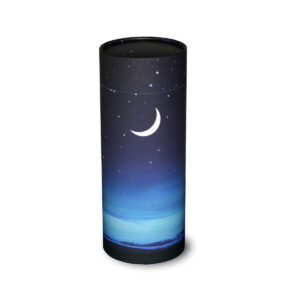
- Themed designs (nature, hobbies, professions)
While personalization may increase cost, it adds emotional value and uniqueness.
Step-by-Step Guide to Choosing the Right Cremation Urn
Follow this simple process to make a confident decision:
- Determine the required size based on body weight
- Set a budget to narrow your options
- Choose a material that fits your preferences and purpose
- Decide on the final placement (home, burial, scattering)
- Consider personalization for a meaningful tribute
- Compare options online and locally before purchasing
Taking these steps helps reduce stress and ensures a thoughtful selection.
Pros and Cons of Different Cremation Urn Types
Standard Urns
Pros:
- Widely available
- Affordable
- Suitable for most uses
Cons:
- Limited uniqueness
Keepsake Urns
Pros:
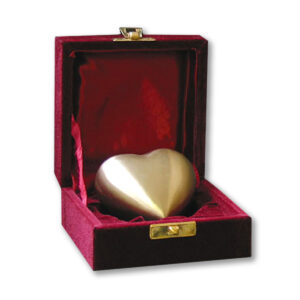
- Allows sharing ashes among family members
- Compact and personal
Cons:
- Not suitable for full remains
Biodegradable Urns
Pros:
- Eco-friendly
- Ideal for water or natural burials
Cons:
- Not suitable for long-term display
Custom Urns
Pros:
- Highly personal and meaningful
- Unique design
Cons:
- Higher cost
- Longer production time
Common Mistakes to Avoid
Avoiding these mistakes can save time, money, and emotional stress:
- Choosing an urn that is too small
- Ignoring the final resting place requirements
- Overlooking material durability
- Rushing the decision without exploring options
- Not considering future needs (e.g., relocation, family sharing)
Expert Tips for Making the Right Choice
- Always verify size capacity before purchase
- Think long-term, where will the urn be in 10+ years?
- Choose quality materials if the urn will be displayed
- Involve family members in the decision process
- Balance emotional value with practical needs
Future Trends in Cremation Urns
As preferences evolve, cremation urns are becoming more innovative and meaningful.
Emerging trends include:
- Eco-friendly and biodegradable urns
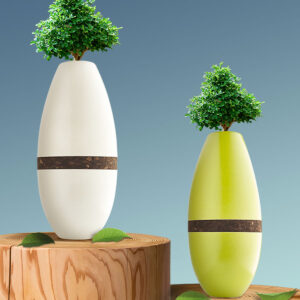
- Tree urns that grow into living memorials
- Artistic and handcrafted designs
- Smart memorials with digital integration
- Minimalist and modern aesthetics
These trends reflect a shift toward sustainability and personalized remembrance.
Conclusion
Choosing the right cremation urn is a deeply personal decision that balances emotion, practicality, and respect. By considering factors like size, material, cost, and final placement, you can make a thoughtful choice that truly honors your loved one.
Take your time, explore your options, and focus on what feels most meaningful. A carefully chosen urn becomes more than a container, it becomes a lasting tribute.
Frequently Asked Questions (FAQs)
1. How do I choose the right size cremation urn?
Use the rule of 1 cubic inch per pound of body weight to ensure proper capacity.
2. Can an urn be too big?
No, an urn cannot be too big, but it can be too small.
3. What is the best material for a cremation urn?
It depends on usage metal for durability, wood for warmth, and biodegradable materials for eco-friendly burials.
4. Are cremation urns expensive?
They range widely, from affordable options under $100 to premium custom urns costing several hundred dollars.
5. Can I personalize a cremation urn?
Yes, many urns can be engraved or customized with names, dates, or designs.